

Media studies
abroad give you a better start
Learn how the media operate, how public communication works and how persuasive messages are created in an international environment.


Practical approach
Learn by creating journalistic content, working on media projects and analysing news coverage. Develop your storytelling, critical media analysis and effective communication skills.


International perspectives
Explore different media systems and approaches to communication across various countries and cultures.

Understanding modern media
Analyse the role of the media in society and the impact of information on public opinion. Learn how the media shape public debate and communication in the digital world.
This programme is perfect for you, if...


You’re interested in media and information

You have a talent for communication

You want to influence public opinion







Career prospects after studying media, journalism and communication
Journalist

From
2 500 € - 10 000 €+ per month
Newsrooms and media
Media Analyst

From
3 000 € - 8 000 € per month
Research institutions
PR Specialist

From
3 500 € - 10 000 €+ per month
PR agencies and corporations
Public Opinion Analyst
From
3 500 € - 9 000 € per month
Media and communications agencies
Journalist
From
2 500 € - 10 000 €+ per month
Newsrooms and media
Media Analyst
From
3 000 € - 8 000 € per month
Research institutions
PR Specialist
From
3 500 € - 10 000 €+ per month
PR agencies and corporations
Public Opinion Analyst
From
3 500 € - 9 000 € per month
Media and communications agencies
What do they think of us?
Different perspectives on the same process: students, parents and graduates. Each testimonial relates to a different stage of the journey to studying abroad.
Business and Economic
University of Bologna
Igor
FAU Erlangen-Nürnberg
International Business Administration
Ursula
Aarhus University
Computer Science
Julianna

Fontys UAS
International Business
Marcel

Economics
UC3M
Hanna

BBA
ESADE
Amelia
Digital Entertainment
Ksenyia
Aerospace Engineering
Politechnika w Walencji
Nikodem

Aarhus University
Economics and Business Administration
Dominika
Game Development
Damian
Management
TBS
Emma

Medicine & Surgery
Sapienza University of Rome
Weronika

Maastricht University
Psychology
Anna
International Business Communication
Radboud University
Olga

Architecture
University of Malta
Amelia
Creative Business
NHL Stenden UAS
Kacper
Finance
Vrije University Amsterdam
Agata

Media and Culture
University of Amsterdam
Max
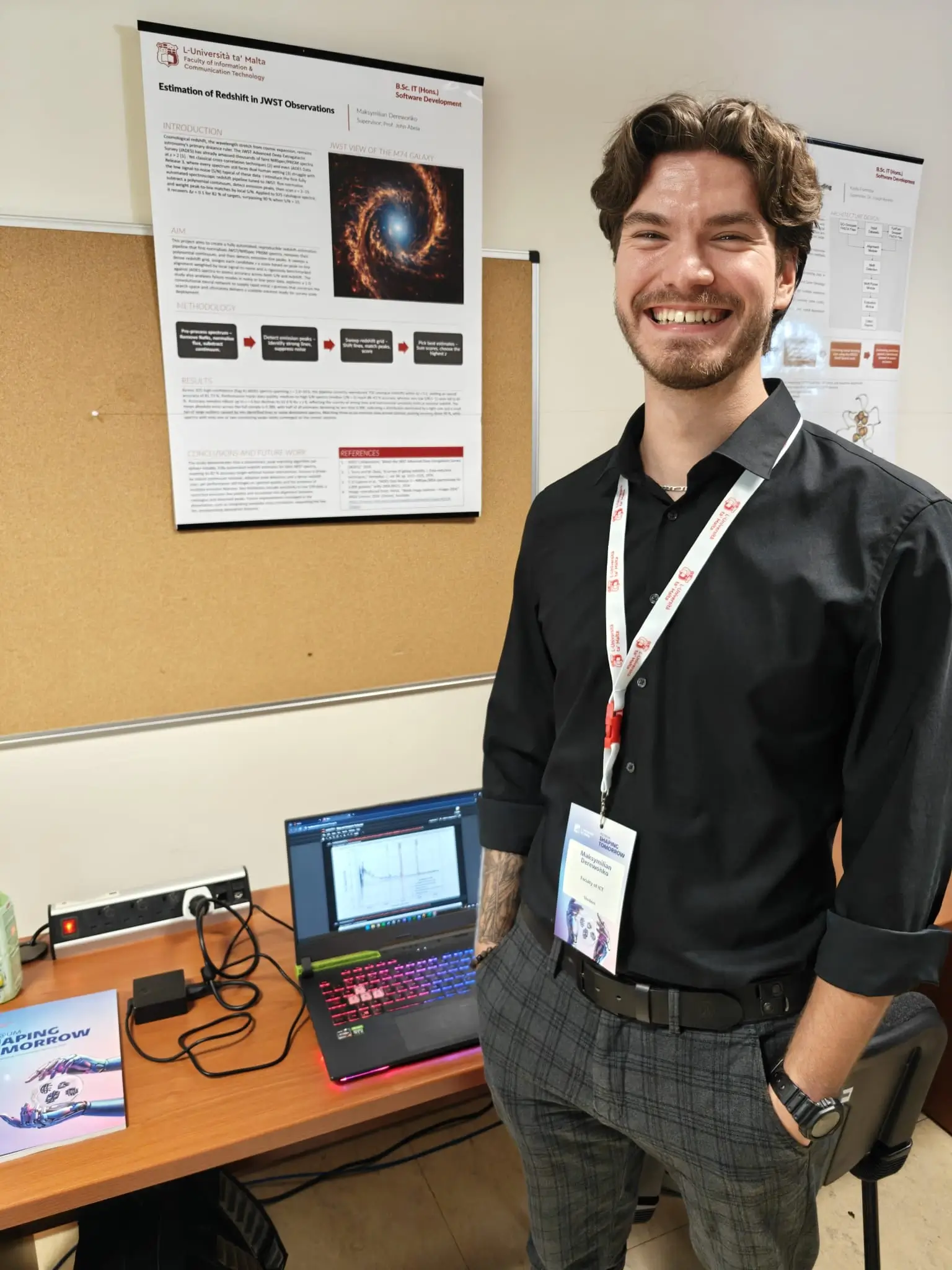
Computer Science
University of Malta
Maximilian

MBA
Universidad Europea
Hubert
IMC Krems
International Business Administration
Dominik

Find out what options you have for studying abroad
During the consultation, we’ll discuss the countries, universities and degree programmes best suited to your profile and explain the application process for studying abroad step by step.
Book a free consultation
Media, journalism and communication studies abroad - practical information

Media, journalism and communication studies abroad
Media, journalism and communication studies abroad are becoming an increasingly popular choice among students from Poland. The rapid development of digital media, social media platforms and new forms of communication means that specialists who can analyse and create media content are now highly sought after in the job market. Admissions procedures for media, journalism and communication studies abroad involve specific rules, deadlines and requirements that applicants from Poland must meet. Admission to these programmes includes an assessment of results in school-leaving examination subjects such as, among others: Polish, English, a foreign language, a second foreign language, mathematics, geography, philosophy, history, classical culture and a second foreign language. ( Instead of school-leaving examination subjects, grades from all subjects completed in secondary school are often taken into account ). The programmes lead to a bachelor’s degree (first-cycle studies) or a master’s degree ( second-cycle studies )
Studies in this field provide not only theoretical knowledge, but also practical skills related to how modern media operate. Students learn how different types of media newsrooms work and how to select essential information from a variety of sources. The curriculum covers traditional journalism, social communication and modern online media (digital media). The programme includes training in writing journalistic texts and practical classes in television production. Students also learn how to edit different types of texts, which is a key skill in the work of a journalist.
During their studies, students develop the skills needed to work in international media, general-interest traditional media newsrooms and promotional and advertising agencies. As a result, graduates of these programmes have the skills required to work as journalists in different types of media, including television newsrooms, using various media formats and participating in the cultural life of countries within their chosen language area. Graduates can find employment in various organisations, media institutions and companies specialising in communication or public relations.
Media, journalism and communication studies abroad
Media, journalism and communication studies abroad are becoming an increasingly popular choice among students from Poland. The rapid development of digital media, social media platforms and new forms of communication means that specialists who can analyse and create media content are now highly sought after in the job market. Admissions procedures for media, journalism and communication studies abroad involve specific rules, deadlines and requirements that applicants from Poland must meet. Admission to these programmes includes an assessment of results in school-leaving examination subjects such as, among others: Polish, English, a foreign language, a second foreign language, mathematics, geography, philosophy, history, classical culture and a second foreign language. ( Instead of school-leaving examination subjects, grades from all subjects completed in secondary school are often taken into account ). The programmes lead to a bachelor’s degree (first-cycle studies) or a master’s degree ( second-cycle studies )
Studies in this field provide not only theoretical knowledge, but also practical skills related to how modern media operate. Students learn how different types of media newsrooms work and how to select essential information from a variety of sources. The curriculum covers traditional journalism, social communication and modern online media (digital media). The programme includes training in writing journalistic texts and practical classes in television production. Students also learn how to edit different types of texts, which is a key skill in the work of a journalist.
During their studies, students develop the skills needed to work in international media, general-interest traditional media newsrooms and promotional and advertising agencies. As a result, graduates of these programmes have the skills required to work as journalists in different types of media, including television newsrooms, using various media formats and participating in the cultural life of countries within their chosen language area. Graduates can find employment in various organisations, media institutions and companies specialising in communication or public relations.
What do media, journalism and communication studies involve?
Media, journalism and communication studies focus on analysing how modern media operate and creating different forms of content. The curriculum covers a wide range of specialisations, and students can choose a programme that matches their interests, such as international journalism, social communication or subjects related to digital media.
During their studies, students develop practical journalism skills and learn how to create journalistic content in different formats. The curriculum includes both theoretical and practical classes tailored to the chosen programme, covering the analysis of different types of media, learning how newsrooms operate and using various sources of information.
Social communication and public relations also play an important role. Students learn how to create communication strategies, manage media messaging and work with social media.
Many degree programmes offer specialisations involving foreign languages, such as journalism with German or French, as well as courses on the culture of Germany, Spain or Italy or the cultures of countries within a chosen language area. This allows students to develop their language skills and prepare for work in an international environment.
What do media, journalism and communication studies involve?
Media, journalism and communication studies focus on analysing how modern media operate and creating different forms of content. The curriculum covers a wide range of specialisations, and students can choose a programme that matches their interests, such as international journalism, social communication or subjects related to digital media.
During their studies, students develop practical journalism skills and learn how to create journalistic content in different formats. The curriculum includes both theoretical and practical classes tailored to the chosen programme, covering the analysis of different types of media, learning how newsrooms operate and using various sources of information.
Social communication and public relations also play an important role. Students learn how to create communication strategies, manage media messaging and work with social media.
Many degree programmes offer specialisations involving foreign languages, such as journalism with German or French, as well as courses on the culture of Germany, Spain or Italy or the cultures of countries within a chosen language area. This allows students to develop their language skills and prepare for work in an international environment.
Degree programs - types of media study programmes abroad
When choosing media studies abroad, students have access to a wide range of degree programs that allow them to tailor their educational path to their individual interests and career goals. These programmes place a strong emphasis on practical English language learning and developing the ability to independently obtain essential information from a variety of sources.
During their studies, students learn how to work in traditional media newsrooms, explore the principles of using different media and develop their journalistic skills. The opportunity to choose specialisations such as cultural studies and media, press relations or different forms of communication allows students to gain the skills needed to work in countries within their chosen language area and in Polish media.
The degree programmes also include classes in Polish, Latin and a second foreign language, as well as elements of classical culture. This allows students to broaden their knowledge of the humanities and gain a better understanding of both issues related to Poland and the international context. Students learn to form critical judgements, work in organisations of any type and create journalistic texts and public relations strategies.
Thanks to the flexibility of the degree programmes, every student can learn more about journalism, develop their skills in social communication and gain experience working with different forms of communication. All of this ensures that graduates are well prepared to work in newsrooms, different types of media and the rapidly changing world of digital media.
Degree programs - types of media study programmes abroad
When choosing media studies abroad, students have access to a wide range of degree programs that allow them to tailor their educational path to their individual interests and career goals. These programmes place a strong emphasis on practical English language learning and developing the ability to independently obtain essential information from a variety of sources.
During their studies, students learn how to work in traditional media newsrooms, explore the principles of using different media and develop their journalistic skills. The opportunity to choose specialisations such as cultural studies and media, press relations or different forms of communication allows students to gain the skills needed to work in countries within their chosen language area and in Polish media.
The degree programmes also include classes in Polish, Latin and a second foreign language, as well as elements of classical culture. This allows students to broaden their knowledge of the humanities and gain a better understanding of both issues related to Poland and the international context. Students learn to form critical judgements, work in organisations of any type and create journalistic texts and public relations strategies.
Thanks to the flexibility of the degree programmes, every student can learn more about journalism, develop their skills in social communication and gain experience working with different forms of communication. All of this ensures that graduates are well prepared to work in newsrooms, different types of media and the rapidly changing world of digital media.
What do students learn on media-related degree programmes?
Degree programmes related to media and communication combine the humanities with practical preparation for working in the media.
Students gain knowledge in:
- social communication
- journalism and practical journalism skills
- how different types of media operate
- creating journalistic content
- analysing media messages
- public relations
- media production
The curriculum includes a wide selection of both compulsory and elective subjects, allowing students to tailor their educational path to their individual interests.
A strong emphasis is also placed on practical English language learning and developing skills in working with different types of media.
During their studies, students learn how to select information from a variety of sources and form critical judgements about media messages. The curriculum often also includes practical classes in online and traditional media newsrooms.
Students also develop digital skills related to creating multimedia content and communicating through social media. Universities are increasingly offering classes on media data analysis and online communication strategies.
In addition to theoretical classes and work placements, these programmes lead to a bachelor’s degree (first-cycle studies) or a master’s degree (second-cycle studies).
What do students learn on media-related degree programmes?
Degree programmes related to media and communication combine the humanities with practical preparation for working in the media.
Students gain knowledge in:
- social communication
- journalism and practical journalism skills
- how different types of media operate
- creating journalistic content
- analysing media messages
- public relations
- media production
The curriculum includes a wide selection of both compulsory and elective subjects, allowing students to tailor their educational path to their individual interests.
A strong emphasis is also placed on practical English language learning and developing skills in working with different types of media.
During their studies, students learn how to select information from a variety of sources and form critical judgements about media messages. The curriculum often also includes practical classes in online and traditional media newsrooms.
Students also develop digital skills related to creating multimedia content and communicating through social media. Universities are increasingly offering classes on media data analysis and online communication strategies.
In addition to theoretical classes and work placements, these programmes lead to a bachelor’s degree (first-cycle studies) or a master’s degree (second-cycle studies).
Discover your study abroad opportunities.
 100% free, no-obligation consultation
Connecting with you on your terms
Response within 24 hours
An individual approach to each candidate
By clicking the button, you consent to being contacted by phone, email, or WhatsApp to discuss study options in another country. Eduworld is the data controller. We process your data to process this inquiry. You have the right to access, correct, and request deletion of your data. Full information on how we ensure your security can be found on our website Privacy Policy.