

Start your journey
Do you dream of an
international career?
Language studies abroad will help you master foreign languages, understand diverse cultures and develop communication skills valued around the world.
Language studies
abroad give you a better start
Explore languages, cultures and ways of communicating in a global environment.


Practical approach
Learn through conversations, language projects and the analysis of cultural texts. Develop practical communication, translation and language skills.


Understanding cultures and communication
Analyse cultural differences, communication styles and language as a tool of influence. Learn how language shapes social relationships, business and international cooperation. Develop your argumentation, logical-thinking and information-processing skills.

International perspectives
Explore the world’s languages - from English Studies to applied linguistics and cultural studies. Gain experience working in an international environment and build a global network of contacts from your first day of study.
This programme is perfect for you, if...


You’re interested in languages and cultures

You have a talent for languages
You want to work internationally
Popular countries for language studies







Popular universities for language studies
 ° C
° C

Ireland
 ° C
° C
Aarhus University

Denmark
 ° C
° C

Malta
 ° C
° C
University of Amsterdam

Netherlands
 ° C
° C
UC3M

Spain
 ° C
° C
Belgium

Career prospects after language studies
Specialist Translator

From
2 500 € - 7 000 € per month
Technology companies, international institutions
Interpreter (spoken-language translator)

From
3 000 € - 10 000 €+ per month
Conferences, EU institutions
Language & Communication Specialist

From
3 500 € - 9 000 € per month
International companies, HR, internal communications
Copywriter / Content Strategist

From
3 000 € - 8 500 € per month
Media, marketing, global companies
Specialist Translator
From
2 500 € - 7 000 € per month
Technology companies, international institutions
Interpreter (spoken-language translator)
From
3 000 € - 10 000 €+ per month
Conferences, EU institutions
Language & Communication Specialist
From
3 500 € - 9 000 € per month
International companies, HR, internal communications
Copywriter / Content Strategist
From
3 000 € - 8 500 € per month
Media, marketing, global companies
What do they think of us?
Different perspectives on the same process: students, parents and graduates. Each testimonial relates to a different stage of the journey to studying abroad.

Business and Economic
University of Bologna
Igor

FAU Erlangen-Nürnberg
International Business Administration
Ursula

Aarhus University
Computer Science
Julianna

Fontys UAS
International Business
Marcel

Economics
UC3M
Hanna

BBA
ESADE
Amelia

Digital Entertainment
Ksenyia

Aerospace Engineering
Politechnika w Walencji
Nikodem

Aarhus University
Economics and Business Administration
Dominika

Game Development
Damian

Management
TBS
Emma

Medicine & Surgery
Sapienza University of Rome
Weronika

Maastricht University
Psychology
Anna

International Business Communication
Radboud University
Olga

Architecture
University of Malta
Amelia

Creative Business
NHL Stenden UAS
Kacper

Finance
Vrije University Amsterdam
Agata

Media and Culture
University of Amsterdam
Max
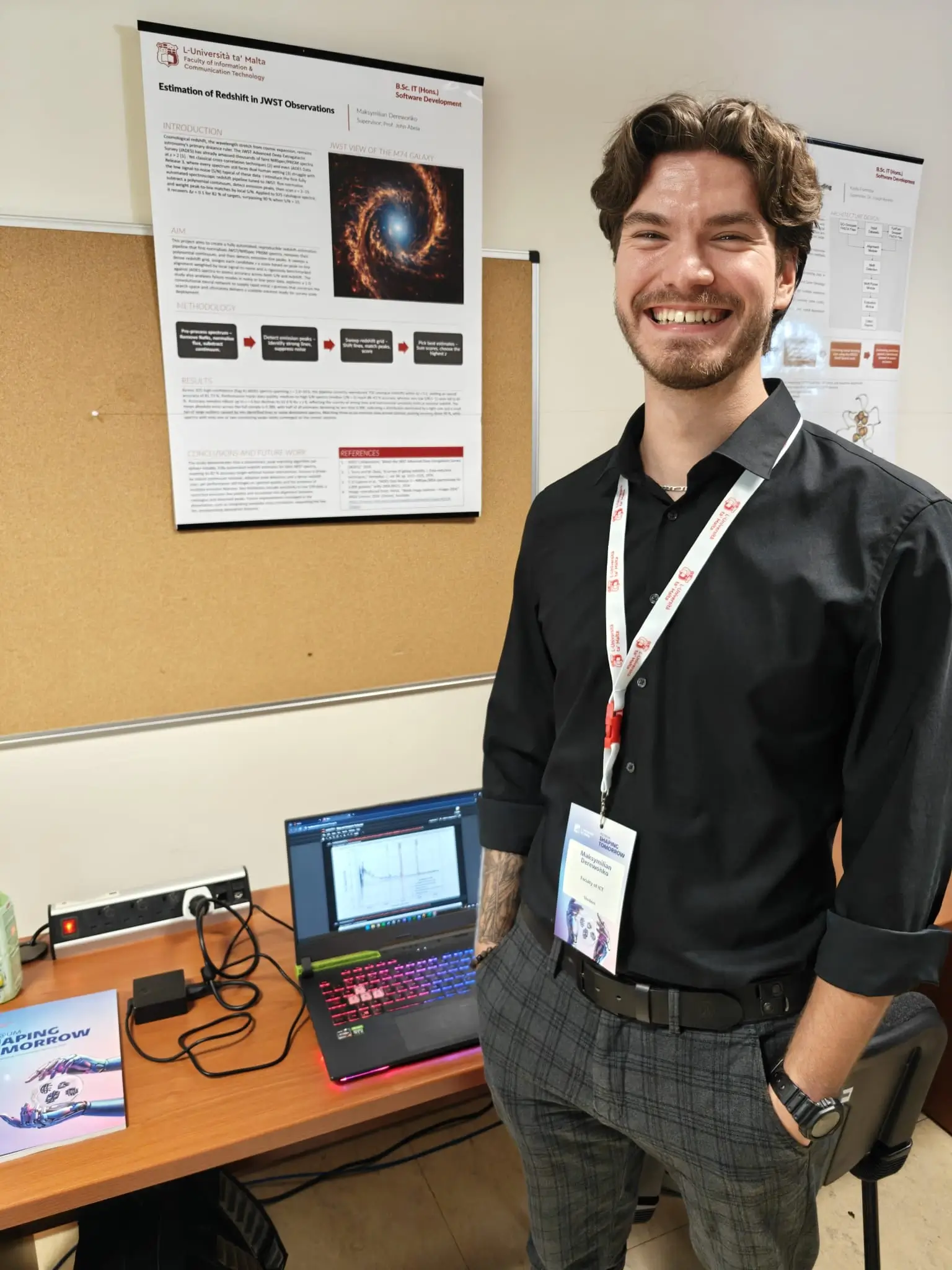
Computer Science
University of Malta
Maximilian

MBA
Universidad Europea
Hubert

IMC Krems
International Business Administration
Dominik





Find out what options you have for studying abroad
During the consultation, we’ll discuss the countries, universities and degree programmes best suited to your profile and explain the application process for studying abroad step by step.
Book a free consultation
Language studies abroad - practical information

Language studies in English - practical language learning
Language studies abroad allow students to develop their language skills in a natural, international environment. Many universities offer language programmes that allow students not only to learn a language, but also to explore the culture, communication and ways in which societies function in different countries.
During their studies, a strong emphasis is placed on:
- conversation and practical communication,
- written and spoken translation,
- language and cultural analysis,
- project work,
- intercultural communication,
- developing language skills in an international environment.
Students often have the opportunity to use a foreign language every day, not only during classes but also in daily life, which significantly accelerates the development of their communication skills.
Language studies in English - practical language learning
Language studies abroad allow students to develop their language skills in a natural, international environment. Many universities offer language programmes that allow students not only to learn a language, but also to explore the culture, communication and ways in which societies function in different countries.
During their studies, a strong emphasis is placed on:
- conversation and practical communication,
- written and spoken translation,
- language and cultural analysis,
- project work,
- intercultural communication,
- developing language skills in an international environment.
Students often have the opportunity to use a foreign language every day, not only during classes but also in daily life, which significantly accelerates the development of their communication skills.
Language specializations and career opportunities after graduation
communication, translation and culture. Applicants can develop their skills in both traditional language studies and more practical and business-oriented programmes.
Popular areas of specialization include:
- applied linguistics,
- translation studies,
- English studies,
- intercultural communication,
- foreign languages in business,
- localization and content adaptation,
- communication studies,
- languages and media culture.
Graduates of language programmes work in roles including translators, interpreters, communication specialists, copywriters, language specialists and international project coordinators. Foreign language skills and experience gained abroad are valued in international corporations, as well as in the media, marketing, diplomacy and the technology industry.
Language specializations and career opportunities after graduation
communication, translation and culture. Applicants can develop their skills in both traditional language studies and more practical and business-oriented programmes.
Popular areas of specialization include:
- applied linguistics,
- translation studies,
- English studies,
- intercultural communication,
- foreign languages in business,
- localization and content adaptation,
- communication studies,
- languages and media culture.
Graduates of language programmes work in roles including translators, interpreters, communication specialists, copywriters, language specialists and international project coordinators. Foreign language skills and experience gained abroad are valued in international corporations, as well as in the media, marketing, diplomacy and the technology industry.
What does the application process for language studies abroad look like?
The application process for language studies abroad depends on the country and chosen programme, but most universities require proof of proficiency in English or the language studied. Applicants often also prepare a personal statement and documents demonstrating their interest in languages and culture.
Depending on the university, the following may also be required:
- language certificates, such as IELTS or TOEFL,
- text samples or written work,
- an academic CV,
- an interview,
- school results in foreign languages,
- a description of experiences related to language learning or travel.
Well-chosen language studies abroad allow students to combine language development with practical professional skills. This enables graduates to build an international career and work in multicultural environments virtually anywhere in the world.
What does the application process for language studies abroad look like?
The application process for language studies abroad depends on the country and chosen programme, but most universities require proof of proficiency in English or the language studied. Applicants often also prepare a personal statement and documents demonstrating their interest in languages and culture.
Depending on the university, the following may also be required:
- language certificates, such as IELTS or TOEFL,
- text samples or written work,
- an academic CV,
- an interview,
- school results in foreign languages,
- a description of experiences related to language learning or travel.
Well-chosen language studies abroad allow students to combine language development with practical professional skills. This enables graduates to build an international career and work in multicultural environments virtually anywhere in the world.
Discover your study abroad opportunities.
 100% free, no-obligation consultation
Connecting with you on your terms
Response within 24 hours
An individual approach to each candidate
By clicking the button, you consent to being contacted by phone, email, or WhatsApp to discuss study options in another country. Eduworld is the data controller. We process your data to process this inquiry. You have the right to access, correct, and request deletion of your data. Full information on how we ensure your security can be found on our website Privacy Policy.