



Student life - adventure and growth

Stable and well-organised life
Germany offers a very well-organised living environment - everything runs smoothly, making everyday life easier and ensuring that your time studying in Germany will be enjoyable.

International environment
At universities, you will meet students from all over the world. Working in international teams develops your skills and helps you build valuable connections.

A practical approach to learning and excellent prospects
Universities place a strong emphasis on practical learning - projects, case studies and collaboration with companies are standard. It is also worth remembering that Germany has the largest economy in Europe, so excellent opportunities for growth await you here.







Popular universities in Germany
2 miesiące temu
7 minutes of reading
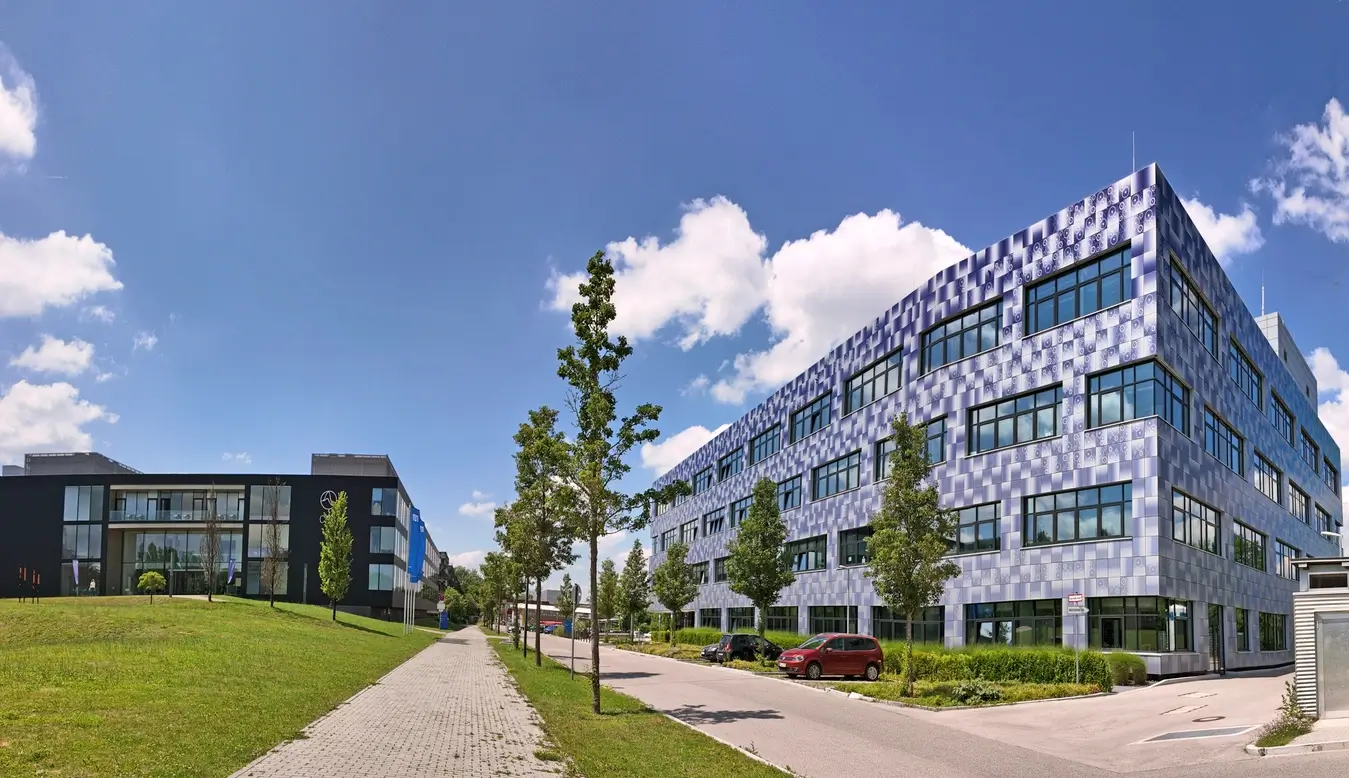
Technical University of Munich (Uniwersytet Techniczny w Monachium)
Technical University of Munich (Uniwersytet Techniczny w Monachium) – studia w Niemczech bez czesnego
2 miesiące temu
7 minutes of reading
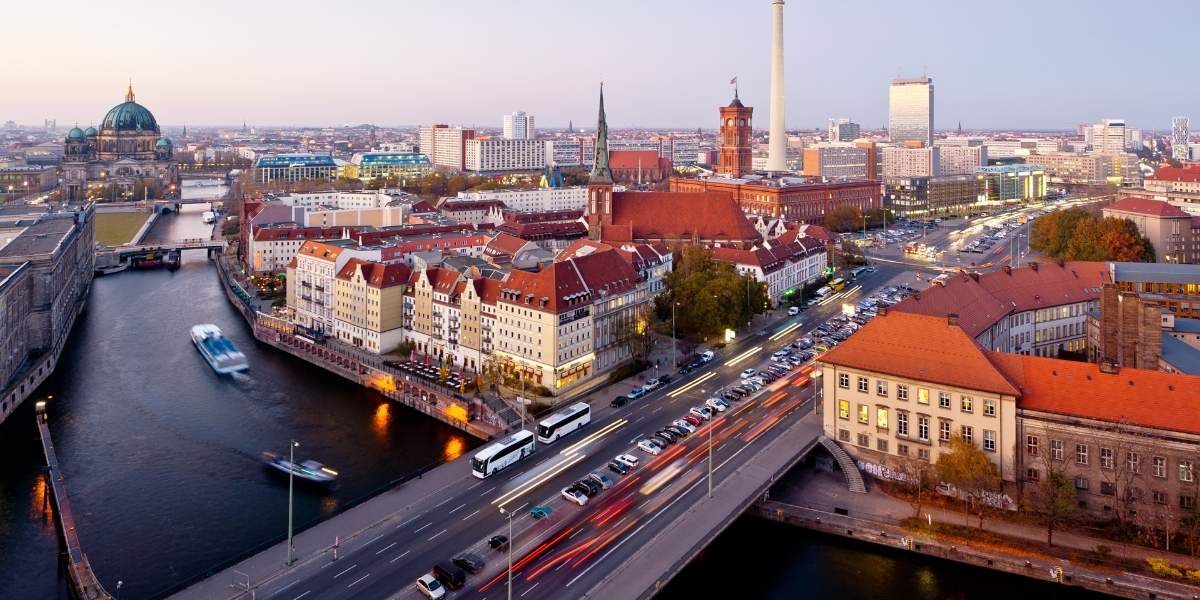
Studia na Berlin School of Economics and Law (HWR)
Poznaj jedną z najpopularniejszych uczelni w Berlinie wśród zagranicznych studentów

2 miesiące temu
7 minutes of reading
Humboldt University of Berlin – Uniwersytet Humboldta
Humboldt University of Berlin - Uniwersytet Humboldta - praktyczne informacje

2 miesiące temu
7 minutes of reading
Studia na Ludwig Maximilian University of Munich
Studia na Ludwig Maximilian University of Munich - jedna z najlepszych uczelni w kraju



Tuition fees and scholarships

Tuition fees
There are no tuition fees at public universities - you only pay an administrative fee, which often includes public transport.
200 € - 600 € / year

Cost of living
According to government data, the average cost of living is 860 € per month, although in our experience, this amount can often reach as much as 1400€ in the largest cities.
750 € - 1400 € / month

Accommodation
Accommodation is the biggest expense - prices vary depending on the city and standard. Berlin, Munich and Hamburg are the most expensive.
300 € - 750 € / month

Other costs
You will need an additional budget for food, transport and everyday expenses, depending on your lifestyle.
350 € - 600 € / month

Scholarships
Scholarship opportunities are very limited. They are usually available at private universities in the form of tuition fee reductions.

Student work
You can work while studying and gain experience - this is a popular option among students
8 € - 15 € / hour

Work experience
While studying, you can gain practical experience at companies operating in Germany’s developed economy, which increases your chances after graduation.
practical experience

Language development
Everyday life in Germany allows you to improve your German, significantly increasing your career opportunities in Europe.
German language development
Applying to university in Germany
Find out what the application process for studying in Germany looks like in English and German, which documents are required and how to avoid formal errors.
Application deadlines
For most bachelor’s and master’s degree programmes at public universities, the deadline is 15 July - deadlines for some master’s programmes may differ. Private universities usually operate on a rolling admissions basis, and applications open as early as October / November in the year before your studies begin.

Important information
There is no general limit on applications - you can apply to many degree programmes and universities. The process takes place through Hochschulstart, the university’s own system or Uni-assist, or sometimes through several systems at the same time. Requirements can vary considerably even between degree programmes at the same university.

How to get admitted?
What matters most is usually your average grade, CV, personal statement, and sometimes references, a portfolio or an interview. Final exam results alone are usually not crucial, but some degree programmes may have specific subject requirements or entrance tests.

Required documents
You will usually need an academic transcript, language certificate, school-leaving certificate, final exam certificate, certified translations and a scan of your identity document. Importantly, some universities may require documents to be sent by post by the 15 July deadline.

Language requirements
For programmes taught in English, IELTS, TOEFL or Cambridge at B2/C1 level is usually required. Sometimes the university also requires German, even if the degree programme is taught in English. For programmes taught in German, TestDaF, DSH, Goethe or telc at B2/C1 level is usually required.

Get into a university in Germany with EduWorld in 5 steps

01
Needs assessment
- Analysis of country, city and lifestyle preferences
- Matching the right type of university
- Choosing a degree programme and career path
RIGHT DEGREE PROGRAMME
APTITUDE TEST
PERSONALISED STRATEGY
02
Degree programmes and plan
- Selection of suitable programmes
- Plan A, B and C
- Application strategy for different universities
STRONG STRATEGY
SELECTION OF THE BEST OPTIONS MAXIMISING YOUR CHANCES
MAXIMISING YOUR CHANCES
03
Profile and report
- Requirements report
- Activity plan (important in Germany)
- Strengthening your application for selection
STRONG APPLICANT PROFILE
TAILORED ACTIVITIES
COMPETITIVE ADVANTAGE
04
Application
- Submission of all applications
- Preparation of your CV, personal statement and portfolio
- Interview preparation
APPLICATION FROM A TO Z
MAXIMUM EFFECTIVENESS
POLISHED DOCUMENTS
05
Organisation
- Choosing accommodation (including student halls)
- Scholarship applications
- Preparing for departure and settling in
ALL FORMALITIES
SUPPORT AT EVERY STAGE
A STRESS-FREE START
01
Needs assessment
- Analysis of country, city and lifestyle preferences
- Matching the right type of university
- Choosing a degree programme and career path
RIGHT DEGREE PROGRAMME
APTITUDE TEST
PERSONALISED STRATEGY
02
Degree programmes and plan
- Selection of suitable programmes
- Plan A, B and C
- Application strategy for different universities
STRONG STRATEGY
SELECTION OF THE BEST OPTIONS MAXIMISING YOUR CHANCES
MAXIMISING YOUR CHANCES
03
Profile and report
- Requirements report
- Activity plan (important in Germany)
- Strengthening your application for selection
STRONG APPLICANT PROFILE
TAILORED ACTIVITIES
COMPETITIVE ADVANTAGE
04
Application
- Submission of all applications
- Preparation of your CV, personal statement and portfolio
- Interview preparation
APPLICATION FROM A TO Z
MAXIMUM EFFECTIVENESS
POLISHED DOCUMENTS
05
Organisation
- Choosing accommodation (including student halls)
- Scholarship applications
- Preparing for departure and settling in
ALL FORMALITIES
SUPPORT AT EVERY STAGE
A STRESS-FREE START

Let's talk about your studies in Germany
We will contact you within 24 hours to arrange a convenient time for a free consultation.
During the free consultation, we will discuss the key aspects of studying in Germany and the application process. We will also answer all your questions about studying abroad.
Book a free consultation
Discover your study abroad opportunities.
 100% free, no-obligation consultation
Connecting with you on your terms
Response within 24 hours
An individual approach to each candidate
By clicking the button, you consent to being contacted by phone, email, or WhatsApp to discuss study options in another country. Eduworld is the data controller. We process your data to process this inquiry. You have the right to access, correct, and request deletion of your data. Full information on how we ensure your security can be found on our website Privacy Policy.