

Engineering studies
abroad give you a better start
Learn the principles of design, how technical systems work and how to solve problems in a global environment.


Practical approach
Learn through technical projects, laboratory work and using modern tools. Develop analytical skills and the ability to solve complex problems.
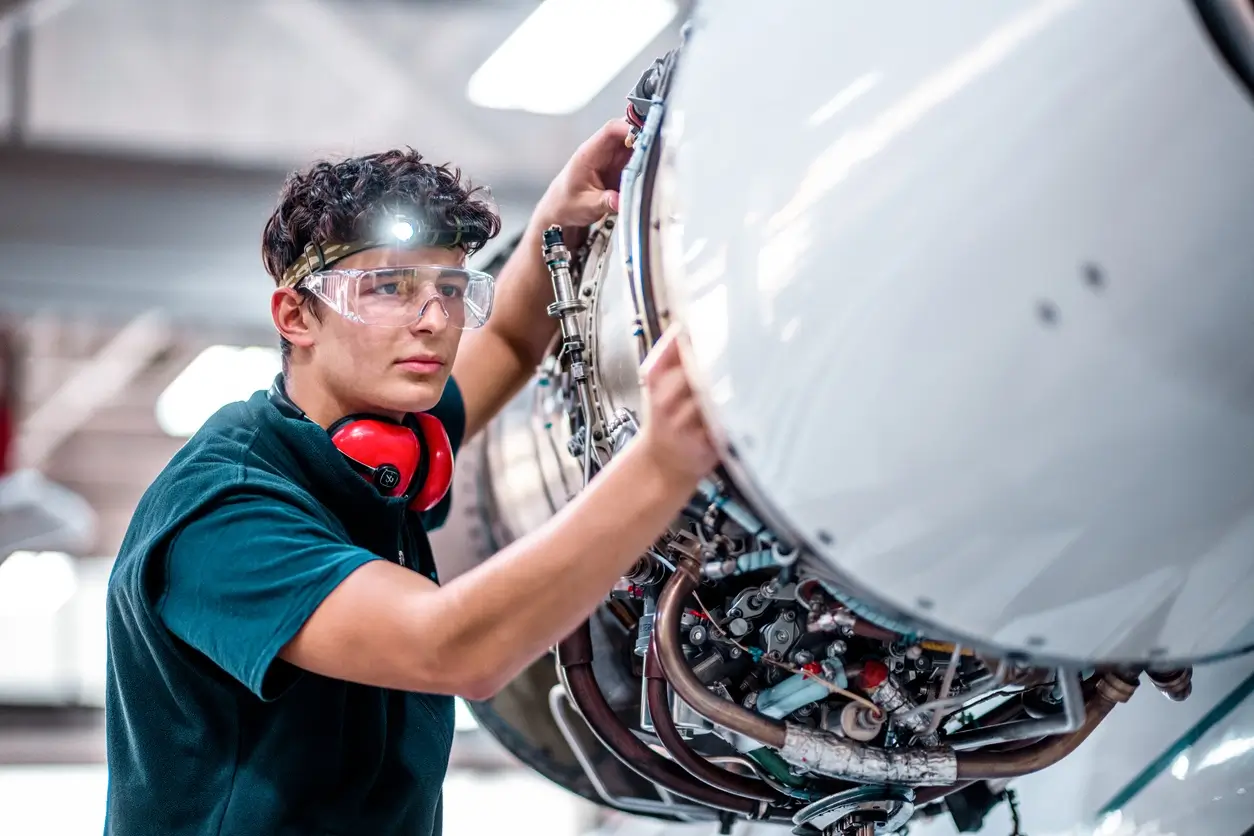

Understanding modern technologies
Explore contemporary technological, environmental and industrial challenges. Learn how innovation influences economic development and everyday life.

International perspectives
Discover technological standards and solutions used around the world.
This programme is perfect for you, if...


You’re interested in technology

You think analytically

You want to create and develop





















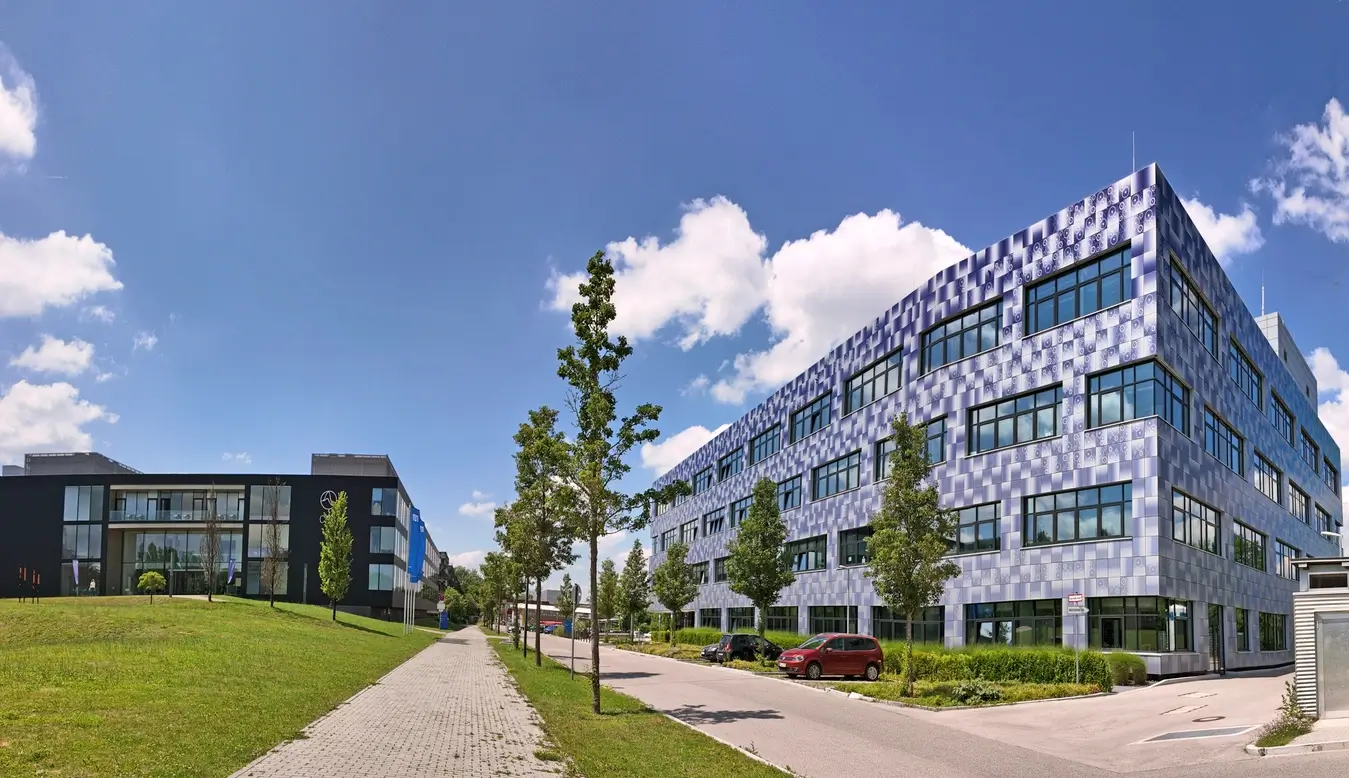
Career prospects after studying engineering
Design Engineer / Structural Engineer

From
4 000 € - 11 000 € per month
Technology and industrial companies
Software Engineer

From
5 000 € - 15 000 € per month
IT sector
Production Engineer
From
3 500 € - 9 000 € per month
Industrial plants
Research and Development Specialist (R&D)

From
4 000 € - 11 000 € per month
Research and technology centres
Design Engineer / Structural Engineer
From
4 000 € - 11 000 € per month
Technology and industrial companies
Software Engineer
From
5 000 € - 15 000 € per month
IT sector
Production Engineer
From
3 500 € - 9 000 € per month
Industrial plants
Research and Development Specialist (R&D)
From
4 000 € - 11 000 € per month
Research and technology centres
What do they think of us?
Different perspectives on the same process: students, parents and graduates. Each testimonial relates to a different stage of the journey to studying abroad.

Business and Economic
University of Bologna
Igor

FAU Erlangen-Nürnberg
International Business Administration
Ursula

Aarhus University
Computer Science
Julianna

Fontys UAS
International Business
Marcel

Economics
UC3M
Hanna

BBA
ESADE
Amelia

Digital Entertainment
Ksenyia
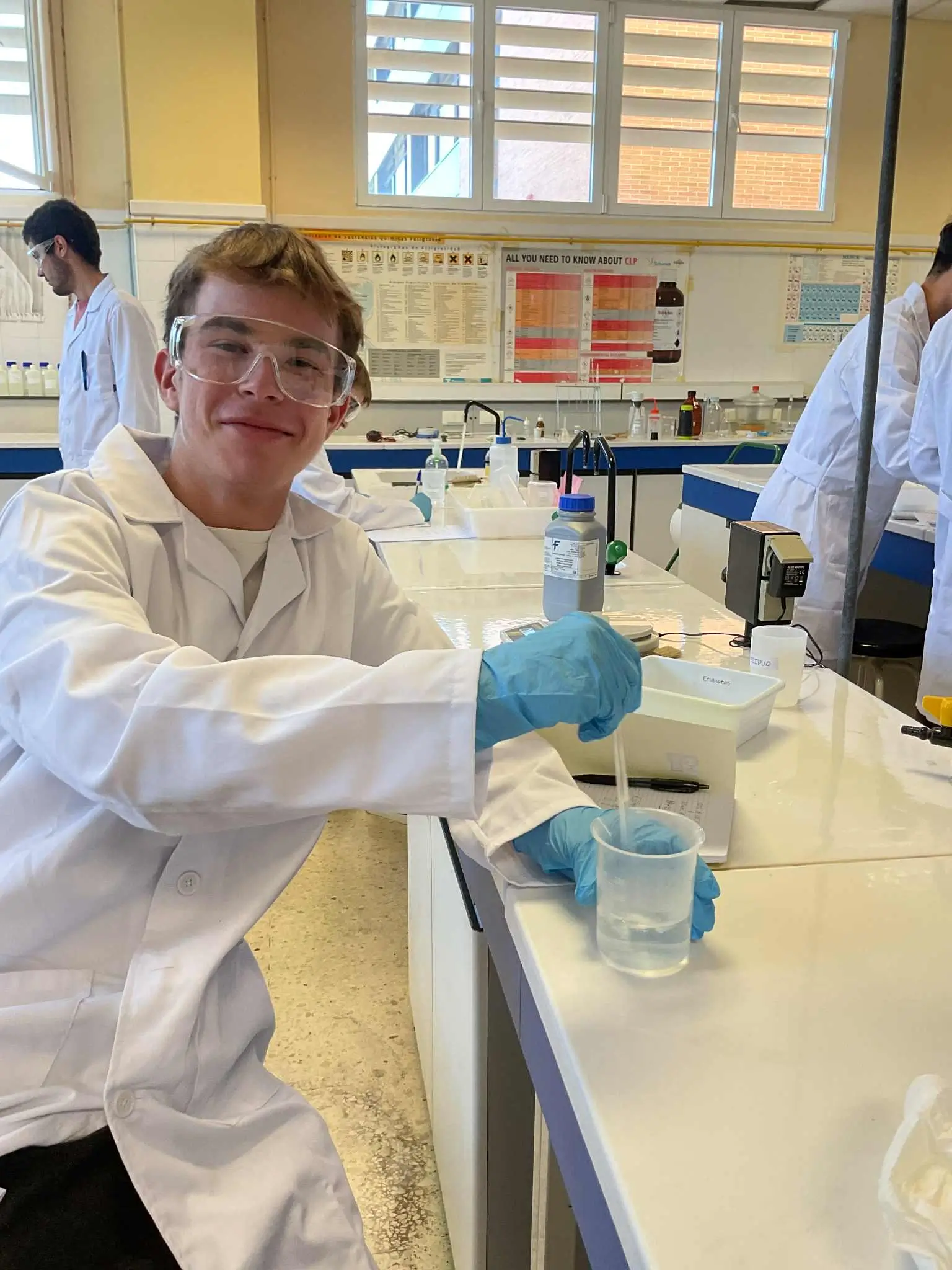
Aerospace Engineering
Politechnika w Walencji
Nikodem

Aarhus University
Economics and Business Administration
Dominika

Game Development
Damian

Management
TBS
Emma

Medicine & Surgery
Sapienza University of Rome
Weronika

Maastricht University
Psychology
Anna

International Business Communication
Radboud University
Olga

Architecture
University of Malta
Amelia

Creative Business
NHL Stenden UAS
Kacper

Finance
Vrije University Amsterdam
Agata

Media and Culture
University of Amsterdam
Max
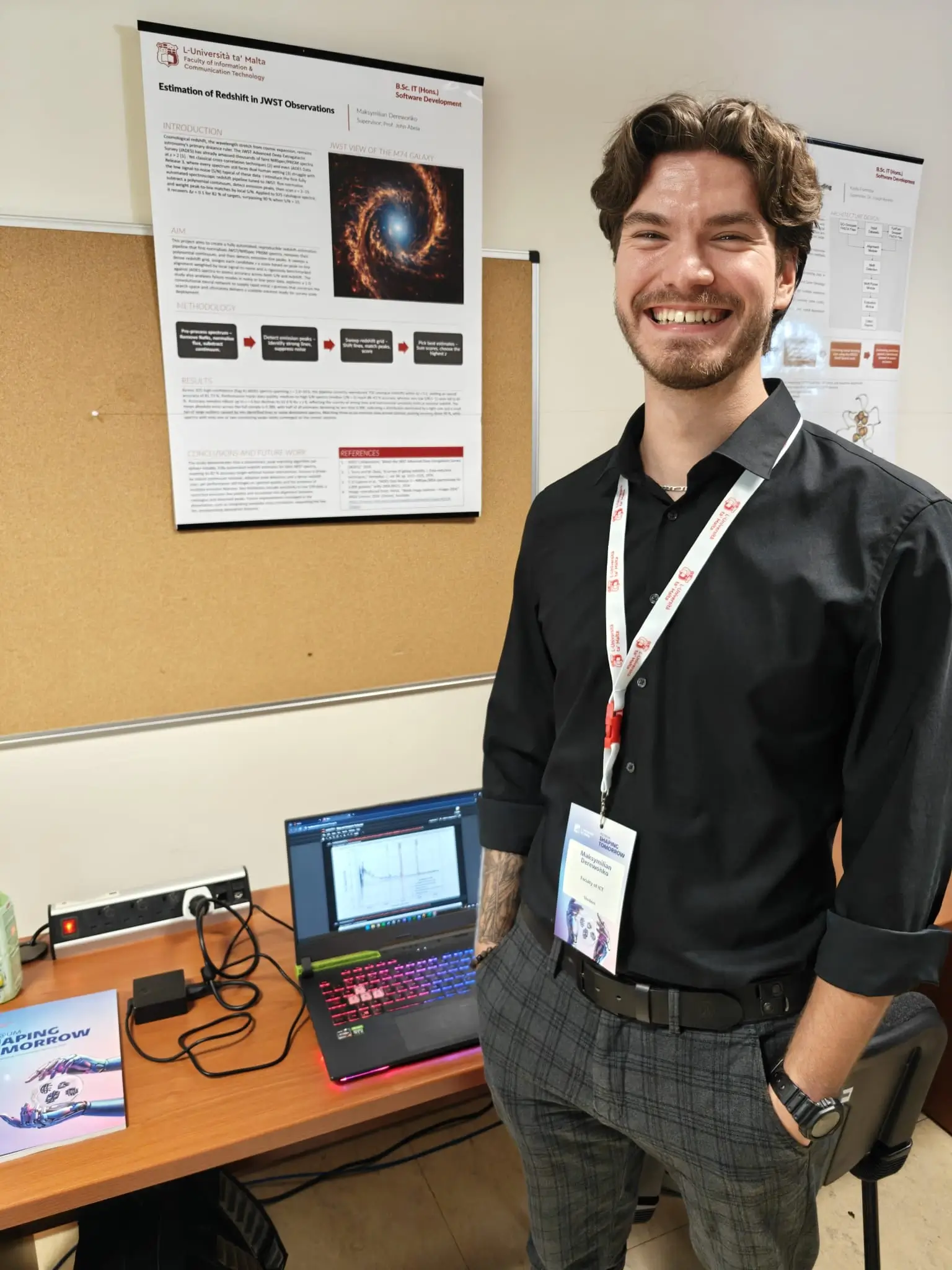
Computer Science
University of Malta
Maximilian

MBA
Universidad Europea
Hubert

IMC Krems
International Business Administration
Dominik





Find out what options you have for studying abroad
During the consultation, we’ll discuss the countries, universities and degree programmes best suited to your profile and explain how the application process for studying abroad works step by step.
Book a free consultation
Engineering studies abroad - practical information

Engineering studies in English - practical technology training
Engineering studies abroad are a good choice for people who want to combine technical knowledge with practical problem-solving. Many universities offer engineering studies in English, allowing students to study in an international environment and learn the standards used in global industry.
During the programme, a strong emphasis is placed on:
- laboratory work,
- technical projects,
- data analysis and calculations,
- designing systems and structures,
- teamwork,
- using modern engineering tools.
This allows students to gain not only theoretical knowledge, but also the skills needed for real-world technology, industrial and research and development projects.
Engineering studies in English - practical technology training
Engineering studies abroad are a good choice for people who want to combine technical knowledge with practical problem-solving. Many universities offer engineering studies in English, allowing students to study in an international environment and learn the standards used in global industry.
During the programme, a strong emphasis is placed on:
- laboratory work,
- technical projects,
- data analysis and calculations,
- designing systems and structures,
- teamwork,
- using modern engineering tools.
This allows students to gain not only theoretical knowledge, but also the skills needed for real-world technology, industrial and research and development projects.
Engineering specializations and career opportunities after graduation
Engineering studies abroad offer a wide range of specializations that meet the needs of today’s job market. Applicants can develop their skills both in traditional fields of engineering and in modern areas related to automation, energy and digital technologies.
Popular specializations include:
- mechanical engineering,
- electrical engineering,
- civil engineering,
- industrial engineering,
- mechatronics,
- automotive engineering,
- aerospace engineering,
- environmental engineering,
- robotics and automation.
Engineering graduates can work in technology companies, industrial plants, R&D centres, the IT sector, energy, automotive, construction or technical consulting. The international experience gained during their studies helps them work in global teams and on projects delivered for companies from different countries.
Engineering specializations and career opportunities after graduation
Engineering studies abroad offer a wide range of specializations that meet the needs of today’s job market. Applicants can develop their skills both in traditional fields of engineering and in modern areas related to automation, energy and digital technologies.
Popular specializations include:
- mechanical engineering,
- electrical engineering,
- civil engineering,
- industrial engineering,
- mechatronics,
- automotive engineering,
- aerospace engineering,
- environmental engineering,
- robotics and automation.
Engineering graduates can work in technology companies, industrial plants, R&D centres, the IT sector, energy, automotive, construction or technical consulting. The international experience gained during their studies helps them work in global teams and on projects delivered for companies from different countries.
What does the application process for engineering studies abroad look like?
The application process for engineering studies abroad depends on the country, university and specific programme. Applicants are usually required to present good results in STEM subjects, particularly mathematics, and in many cases also physics or computer science.
Depending on the university, the following may also be required:
- a language certificate, such as IELTS or TOEFL,
- a school-leaving certificate,
- an academic transcript,
- a personal statement,
- an academic CV,
- an interview,
- an additional mathematics or physics test.
A well-chosen engineering degree in English allows students to gain practical skills that are valued in the international job market. This is why it is worth comparing programmes, checking the admissions requirements and choosing a university that matches your planned career path before applying.
What does the application process for engineering studies abroad look like?
The application process for engineering studies abroad depends on the country, university and specific programme. Applicants are usually required to present good results in STEM subjects, particularly mathematics, and in many cases also physics or computer science.
Depending on the university, the following may also be required:
- a language certificate, such as IELTS or TOEFL,
- a school-leaving certificate,
- an academic transcript,
- a personal statement,
- an academic CV,
- an interview,
- an additional mathematics or physics test.
A well-chosen engineering degree in English allows students to gain practical skills that are valued in the international job market. This is why it is worth comparing programmes, checking the admissions requirements and choosing a university that matches your planned career path before applying.
Discover your study abroad opportunities.
 100% free, no-obligation consultation
Connecting with you on your terms
Response within 24 hours
An individual approach to each candidate
By clicking the button, you consent to being contacted by phone, email, or WhatsApp to discuss study options in another country. Eduworld is the data controller. We process your data to process this inquiry. You have the right to access, correct, and request deletion of your data. Full information on how we ensure your security can be found on our website Privacy Policy.