




Student life - adventure and growth

An international environment every day
At university, you will meet students from all over the world. You will complete projects in international teams, developing communication skills, openness and global competencies.

A very high standard of living
Transport, infrastructure and organisation - everything works perfectly. Everyday life is simple, allowing you to focus on your studies, personal development and time with friends.

An active life outside university
Mountains, lakes and nature are within easy reach. You can ski, climb, travel and stay active all year round. You are also close to Italy, Austria, Germany, France and other countries.

Excellent career opportunities
Switzerland is a centre for finance, technology and pharmaceuticals. Even during your studies, you can connect with industry leaders and work on real projects through internships and work placements.
Popular universities in Switzerland

2 miesiące temu
7 minutes of reading
ETH Zurich (Politechnika Federalna w Zurychu)
ETH Zurich (Politechnika Federalna w Zurychu) - najważniejsze informacje
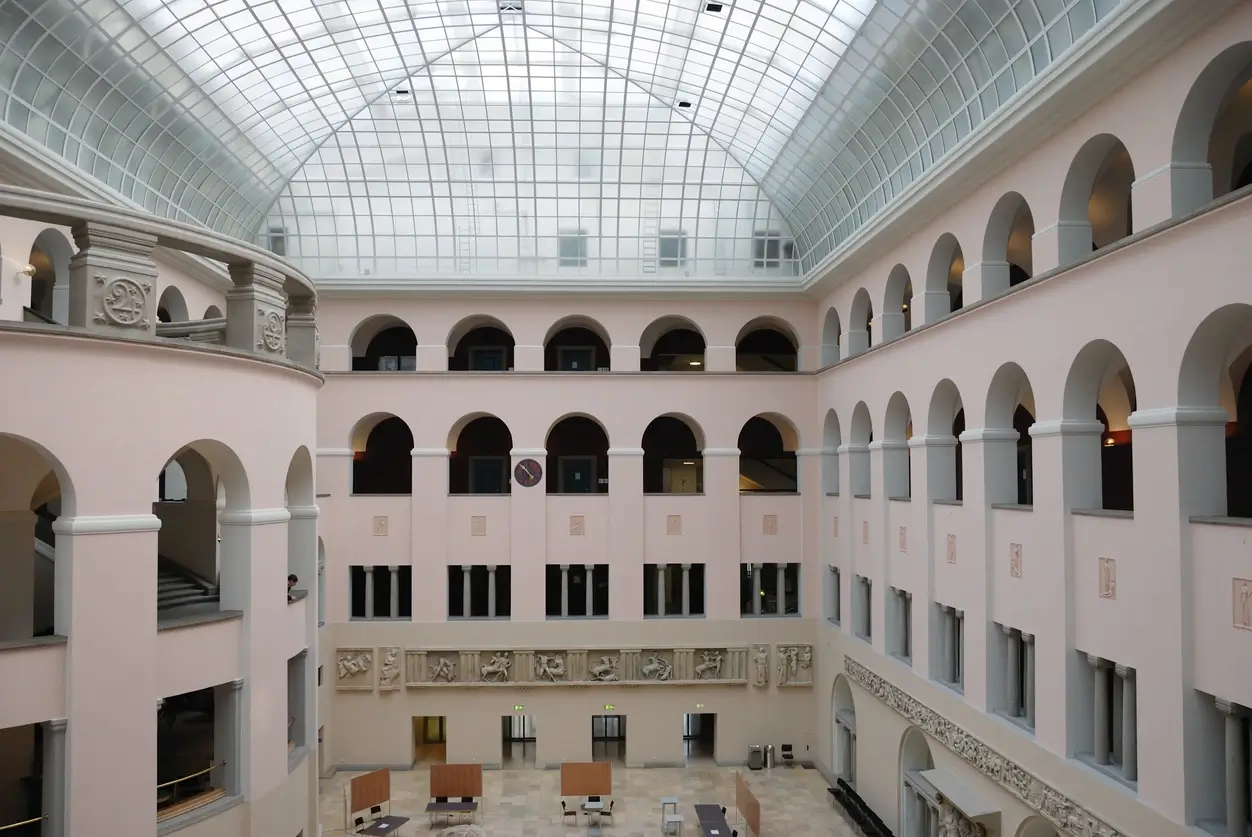
2 miesiące temu
6 minutes of reading
University of Zurich
University of Zurich (UZH) - studiuj na jednej z najlepszych uczelni w Szwajcarii

2 miesiące temu
7 minutes of reading
EPFL – École Polytechnique Fédérale de Lausanne (Politechnika Federalna)
EPFL - École Polytechnique Fédérale de Lausanne, czyli Politechnika Federalna - poznaj najważniejsze informacje
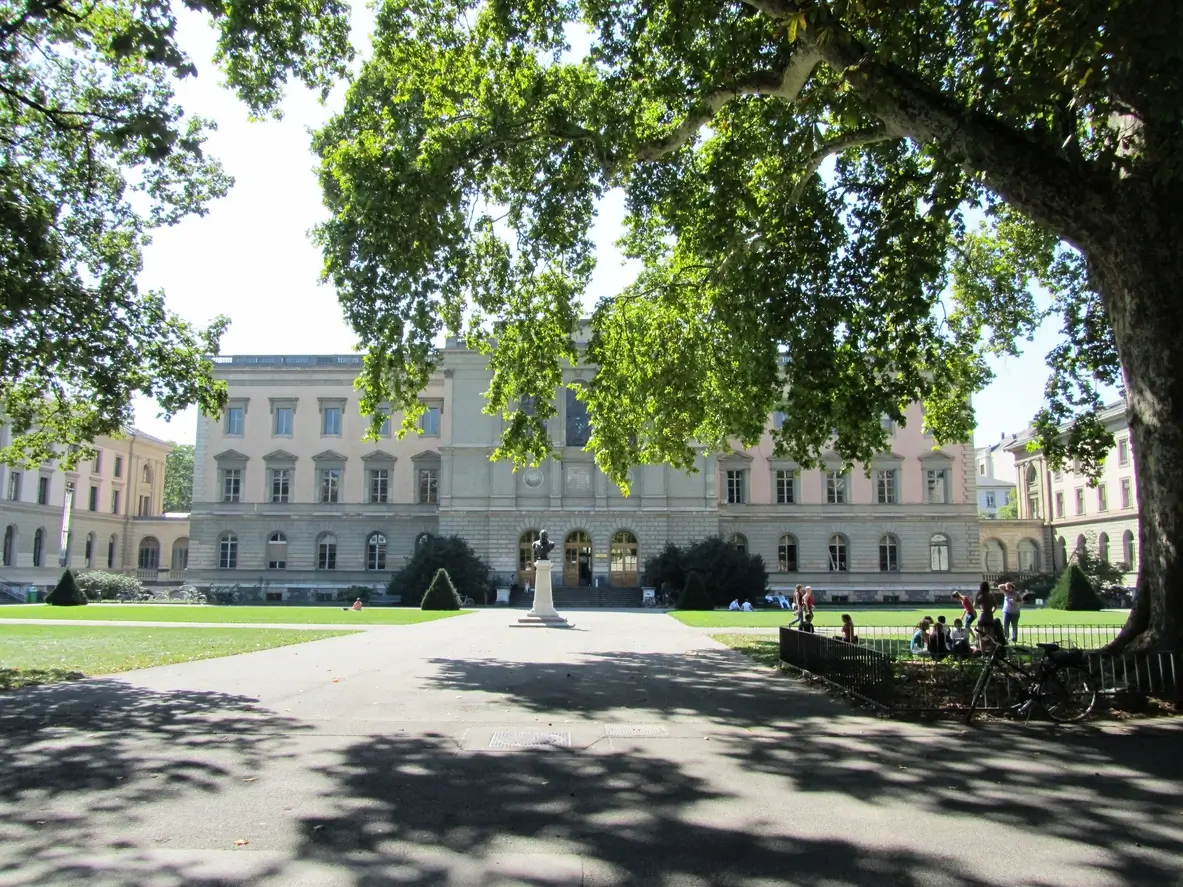
2 miesiące temu
7 minutes of reading
University of Geneva (UNIGE) – Uniwersytet Genewski
University of Geneva (UNIGE) - Uniwersytet Genewski - poznaj najważniejsze informacje




Tuition fees and scholarshipsD

Tuition fees
At public universities, tuition fees are usually between 1000 and 2500 CHF per year, although for some degree programmes they can reach as much as 8000 CHF.
1000 - 8000 CHF / year

Cost of living
Switzerland is one of the most expensive countries in Europe. Students spend an average of 1400 to 2300 CHF per month, depending on the city.
1400 - 2300 CHF / month

Accommodation
Housing is the biggest expense. A room costs from around 500 CHF to as much as 1000 CHF in Zurich, while a studio flat can cost up to 1400 CHF per month.
500 - 1400 CHF / month

Other costs
You will spend several hundred francs per month on food, transport and everyday expenses, depending on your lifestyle and city.
400 - 800 CHF / month

Scholarships
Scholarships are limited and usually awarded for outstanding academic performance. Private universities also offer scholarships that reduce tuition fees.
Tuition fee reduction

Student employment
You can work up to 15 hours per week during the semester. Wages in Switzerland are very high.
22 - 30 CHF / hour

High earnings
Wages in Switzerland are among the highest in Europe, allowing you to cover a significant portion of your living costs through work.

Professional experience
By working during your studies, you gain experience in leading industries, significantly improving your future career prospects.
Applying to university in Switzerland
Find out what the university application process in Switzerland looks like, which documents are required and what you can do to increase your chances of admission.
Application deadlines
Deadlines vary considerably depending on the university and degree programme. For bachelor’s programmes, deadlines usually fall between March and May, while for master’s programmes they can run from October to June. Private universities often use rolling admissions, and final deadlines may be as late as August.

Important information
In Switzerland, you can apply to any number of degree programmes and universities. The process usually takes place directly through the individual university’s system. Requirements vary considerably, so each programme must be checked separately, particularly at top universities.

How to get admitted?
For bachelor’s programmes, grades and meeting the formal requirements are important. Sometimes a CV, personal statement, interview or even one year of professional experience is required. For master’s programmes, greater emphasis is often placed on your CV, personal statement, references, the relevance of your previous degree and your academic results.

Language requirements
For programmes taught in English, universities usually accept IELTS, TOEFL or Cambridge qualifications at B2/C1 level. At bachelor’s level, many degree programmes are taught in German, French or Italian, so a certificate in the local language may be required.

Public and private universities
Public universities have low tuition fees, but often higher formal and language requirements. Private universities are more expensive, but may offer more programmes in English, more flexible deadlines and an individualised admissions process.

Get into a university in Switzerland with EduWorld in 5 steps

01
Needs assessment
- Analysis of country, city and lifestyle preferences
- Matching the right type of university
- Choosing a degree programme and career path
RIGHT DEGREE PROGRAMME
APTITUDE TEST
PERSONALISED STRATEGY
02
Degree programmes and plan
- Selection of suitable programmes
- Plan A, B and C
- Application strategy for different universities
STRONG STRATEGY
SELECTION OF THE BEST OPTIONS
MAXIMISING YOUR CHANCES
03
Profile and report
- Requirements report
- Activity plan
STRONG APPLICANT PROFILE
TAILORED ACTIVITIES
COMPETITIVE ADVANTAGE
04
Application
- Submission of all applications
- Preparation of your CV, personal statement and portfolio
- Interview preparation
APPLICATION FROM A TO Z
MAXIMUM EFFECTIVENESS
POLISHED DOCUMENTS
05
Organisation
- Choosing accommodation (including student halls)
- Scholarship applications
- Preparing for departure and settling in
ALL FORMALITIES
SUPPORT AT EVERY STAGE
A STRESS-FREE START
01
Needs assessment
- Analysis of country, city and lifestyle preferences
- Matching the right type of university
- Choosing a degree programme and career path
RIGHT DEGREE PROGRAMME
APTITUDE TEST
PERSONALISED STRATEGY
02
Degree programmes and plan
- Selection of suitable programmes
- Plan A, B and C
- Application strategy for different universities
STRONG STRATEGY
SELECTION OF THE BEST OPTIONS
MAXIMISING YOUR CHANCES
03
Profile and report
- Requirements report
- Activity plan
STRONG APPLICANT PROFILE
TAILORED ACTIVITIES
COMPETITIVE ADVANTAGE
04
Application
- Submission of all applications
- Preparation of your CV, personal statement and portfolio
- Interview preparation
APPLICATION FROM A TO Z
MAXIMUM EFFECTIVENESS
POLISHED DOCUMENTS
05
Organisation
- Choosing accommodation (including student halls)
- Scholarship applications
- Preparing for departure and settling in
ALL FORMALITIES
SUPPORT AT EVERY STAGE
A STRESS-FREE START

Let's talk about your studies in Switzerland
We will contact you within 24 hours to arrange a convenient time for a free consultation.
During the free consultation, we will discuss the key aspects of studying in Switzerland and the application process. We will also answer all your questions about studying abroad.
Book a free consultation
Discover your study abroad opportunities.
 100% free, no-obligation consultation
Connecting with you on your terms
Response within 24 hours
An individual approach to each candidate
By clicking the button, you consent to being contacted by phone, email, or WhatsApp to discuss study options in another country. Eduworld is the data controller. We process your data to process this inquiry. You have the right to access, correct, and request deletion of your data. Full information on how we ensure your security can be found on our website Privacy Policy.