



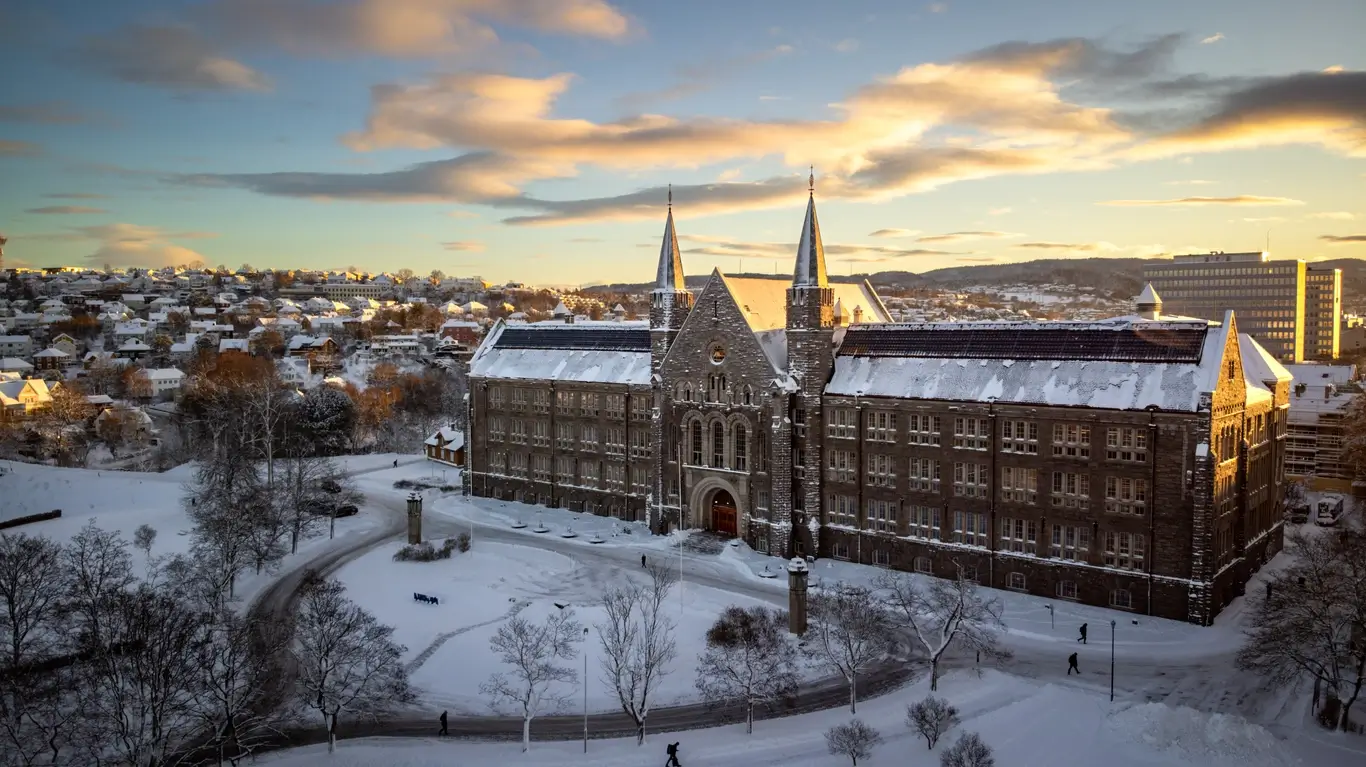
Student life - adventure and growth

International environment
At universities, you will meet students from different countries. This gives you the opportunity to improve your language skills, build connections and learn to work in an international environment from the very first months of your studies.

Work-life balance
In Norway, great emphasis is placed on maintaining a balance between studying and personal life. There is no culture of constant overwork - you have time for personal growth, rest and activities outside university.

Modern education system
The system prioritises student wellbeing, a practical approach and genuine support. You learn through projects, collaboration and problem-solving rather than theory alone, which prepares you better for work. You can always count on support from lecturers or a dedicated student adviser.





Tuition fees and scholarships

No tuition fees
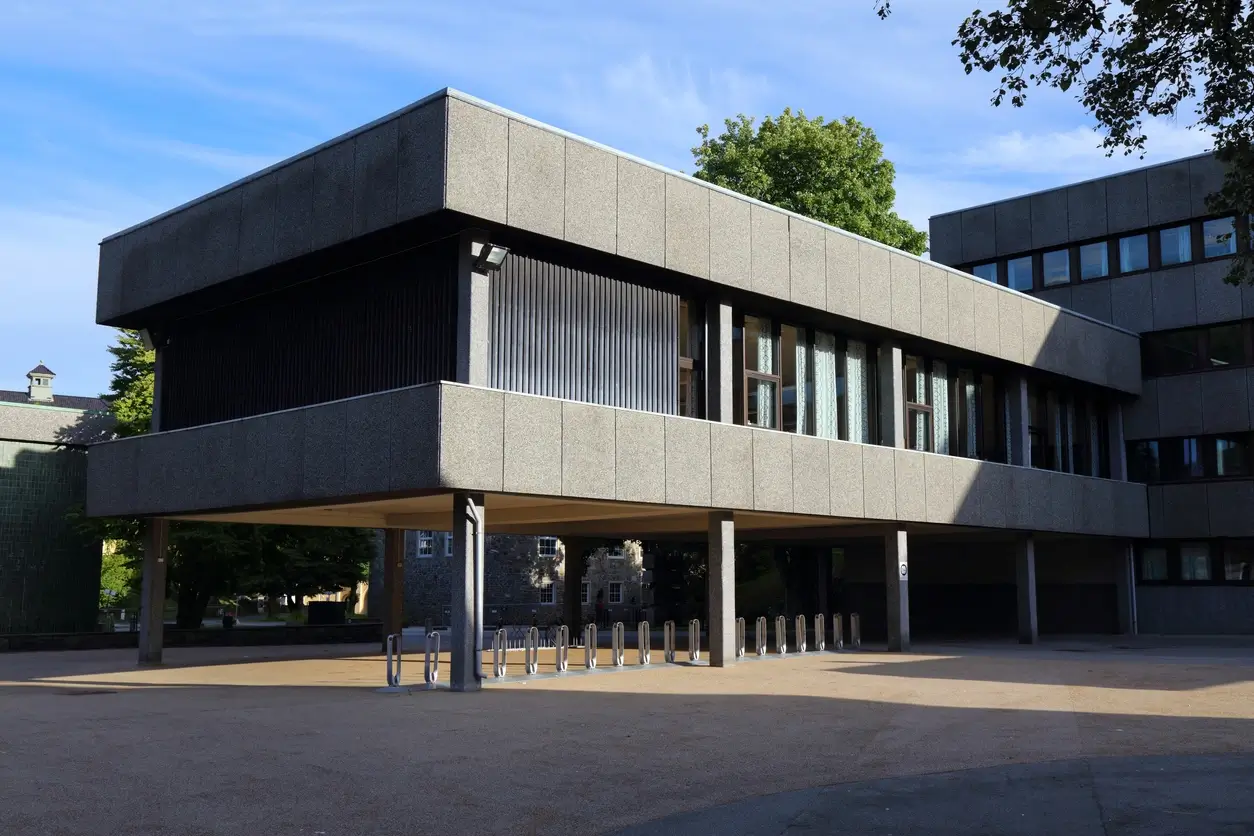
At public universities, you do not pay tuition fees, which, given the high quality of education, is one of Norway's greatest advantages.
free

Cost of living
Norway is one of the most expensive countries in Europe, but prices have fallen slightly in recent years due to the decline in the NOK exchange rate. The average student budget is approximately 12 000-17 000 NOK per month, or around €1100 - €1500.
1100 - 1500 € / month

Accommodation
Housing is the biggest expense. Student halls and rooms usually cost between 4000 and 7000 NOK per month.
400 - 650 € / month

Other costs
You will need an additional budget for food, transport and everyday expenses. However, the high prices are partly offset by the high standard of living.
450 - 780 € / month

Lånekassen
You can apply for a student loan through Lånekassen. Part of this amount (around 40%) may later be converted into a non-repayable grant.
up to around 5000 zł per month

Student work
During the semester, you can work up to 20 hours per week, and even full-time during the holidays. This is a realistic option given Norway's high pay rates.
14 - 22 € / hour

High earnings
Pay rates in Norway are high enough that even part-time work can cover a significant proportion of a student's monthly expenses.
high earnings

Professional experience
Work and projects during your studies allow you to enter the job market more quickly. This is particularly important in a country with strong technology, energy and business sectors.
real experience
Applying to university in Norway
See what applying to university in Norway looks like, which documents are required and how to get admitted to a university in this country.
Application deadlines
Deadlines depend on the university and programme, as applications for degree programmes taught in English are usually submitted directly through university portals. Most deadlines fall between March and April, although there are exceptions to this rule. Deadlines for master’s programmes may be earlier than those for bachelor’s programmes.

Important information
For bachelor’s programmes taught in English, the choice is limited - only around 20-30 programmes are available. At master’s level, the range is much broader and includes over 300 degree programmes. Application limits depend on the university, for example, often 8 programmes at bachelor’s level and 4 at master’s level.

How to get admitted?
There is no single system for assessing applicants. School-leaving exam results or grades, the relevance of subjects to the degree programme and, for many programmes, a CV, personal statement, essay, portfolio or interview are taken into account. For master’s programmes, references and the relevance of previous studies are often also required.

Language requirements
Most programmes require a language certificate, usually IELTS, TOEFL or Cambridge at B2/C1 level. For some bachelor’s programmes, the university may accept the extended-level English school-leaving exam with an appropriate result as proof of sufficient English proficiency.

Degree programme selection strategy
Due to the small number of bachelor’s programmes taught in English, having plans A, B and C is very important in Norway. It is worth checking the requirements of each university separately, matching programmes to your school-leaving exams and profile, and not basing your entire application on a single degree programme.

Get into a university in Norway with EduWorld in 5 steps

01
Needs assessment
- Analysis of country, city and lifestyle preferences
- Matching the right type of university
- Choosing a degree programme and career path
RIGHT DEGREE PROGRAMME
APTITUDE TEST
PERSONALISED STRATEGY
02
Degree programmes and plan
- Selection of suitable programmes
- Plan A, B and C
- Application strategy for different universities
STRONG STRATEGY
SELECTION OF THE BEST OPTIONS
MAXIMISING YOUR CHANCES
03
Profile and report
- Requirements report
- Activity plan (important in Norway)
- Strengthening your application for selection
STRONG APPLICANT PROFILE
TAILORED ACTIVITIES
COMPETITIVE ADVANTAGE
04
Application
- Submission of all applications
- Preparation of your CV, personal statement and portfolio
- Interview preparation
APPLICATION FROM A TO Z
MAXIMUM EFFECTIVENESS
POLISHED DOCUMENTS
05
Organisation
- Choosing accommodation (including student halls)
- Scholarship applications
- Preparing for departure and settling in
ALL FORMALITIES
SUPPORT AT EVERY STAGE
A STRESS-FREE START
01
Needs assessment
- Analysis of country, city and lifestyle preferences
- Matching the right type of university
- Choosing a degree programme and career path
RIGHT DEGREE PROGRAMME
APTITUDE TEST
PERSONALISED STRATEGY
02
Degree programmes and plan
- Selection of suitable programmes
- Plan A, B and C
- Application strategy for different universities
STRONG STRATEGY
SELECTION OF THE BEST OPTIONS
MAXIMISING YOUR CHANCES
03
Profile and report
- Requirements report
- Activity plan (important in Norway)
- Strengthening your application for selection
STRONG APPLICANT PROFILE
TAILORED ACTIVITIES
COMPETITIVE ADVANTAGE
04
Application
- Submission of all applications
- Preparation of your CV, personal statement and portfolio
- Interview preparation
APPLICATION FROM A TO Z
MAXIMUM EFFECTIVENESS
POLISHED DOCUMENTS
05
Organisation
- Choosing accommodation (including student halls)
- Scholarship applications
- Preparing for departure and settling in
ALL FORMALITIES
SUPPORT AT EVERY STAGE
A STRESS-FREE START


Let's talk about your studies in Norway
We will contact you within 24 hours to arrange a convenient time for a free consultation.
During the free consultation, we will discuss the key aspects of studying in Norway and the application process. We will also answer all your questions about studying abroad.
Book a free consultation
Discover your study abroad opportunities.
 100% free, no-obligation consultation
Connecting with you on your terms
Response within 24 hours
An individual approach to each candidate
By clicking the button, you consent to being contacted by phone, email, or WhatsApp to discuss study options in another country. Eduworld is the data controller. We process your data to process this inquiry. You have the right to access, correct, and request deletion of your data. Full information on how we ensure your security can be found on our website Privacy Policy.