

Studying psychology
abroad opens up many career paths
Discover how the human mind works, how interpersonal relationships develop and which processes influence everyday decisions.


Practical approach
You learn through research, projects and the analysis of behaviour in real-life situations, not just theory.


Wide range of specialisations
You can develop expertise in areas such as clinical, business, sports or forensic psychology.

Understanding people
You analyse emotions, decisions and relationships that influence private and professional life.
This programme is ideal for you, if...

Curiosity about people

Empathy and observation
Combining disciplines
















Career prospects after studying psychology
Psychologist

From
€2,500 - €8,000+ per month
Private practices / healthcare
Business psychologist

From
3 000 € - 10 000 €+ per month
HR / organisations
Sports psychologist
From
3 000 € - 9 000 €+ per month
Sports / performance
Researcher

From
3 000 € - 8 000 €+ per month
Research / universities
Psychologist
From
€2,500 - €8,000+ per month
Private practices / healthcare
Business psychologist
From
3 000 € - 10 000 €+ per month
HR / organisations
Sports psychologist
From
3 000 € - 9 000 €+ per month
Sports / performance
Researcher
From
3 000 € - 8 000 €+ per month
Research / universities
What do they think?
Different perspectives on the same process: students, parents and graduates. Each review concerns a different stage of the journey to studying abroad.

Business and Economic
University of Bologna
Igor

FAU Erlangen-Nürnberg
International Business Administration
Ursula

Aarhus University
Computer Science
Julianna

Fontys UAS
International Business
Marcel

Economics
UC3M
Hanna

BBA
ESADE
Amelia
Digital Entertainment
Ksenyia
Aerospace Engineering
Politechnika w Walencji
Nikodem

Aarhus University
Economics and Business Administration
Dominika
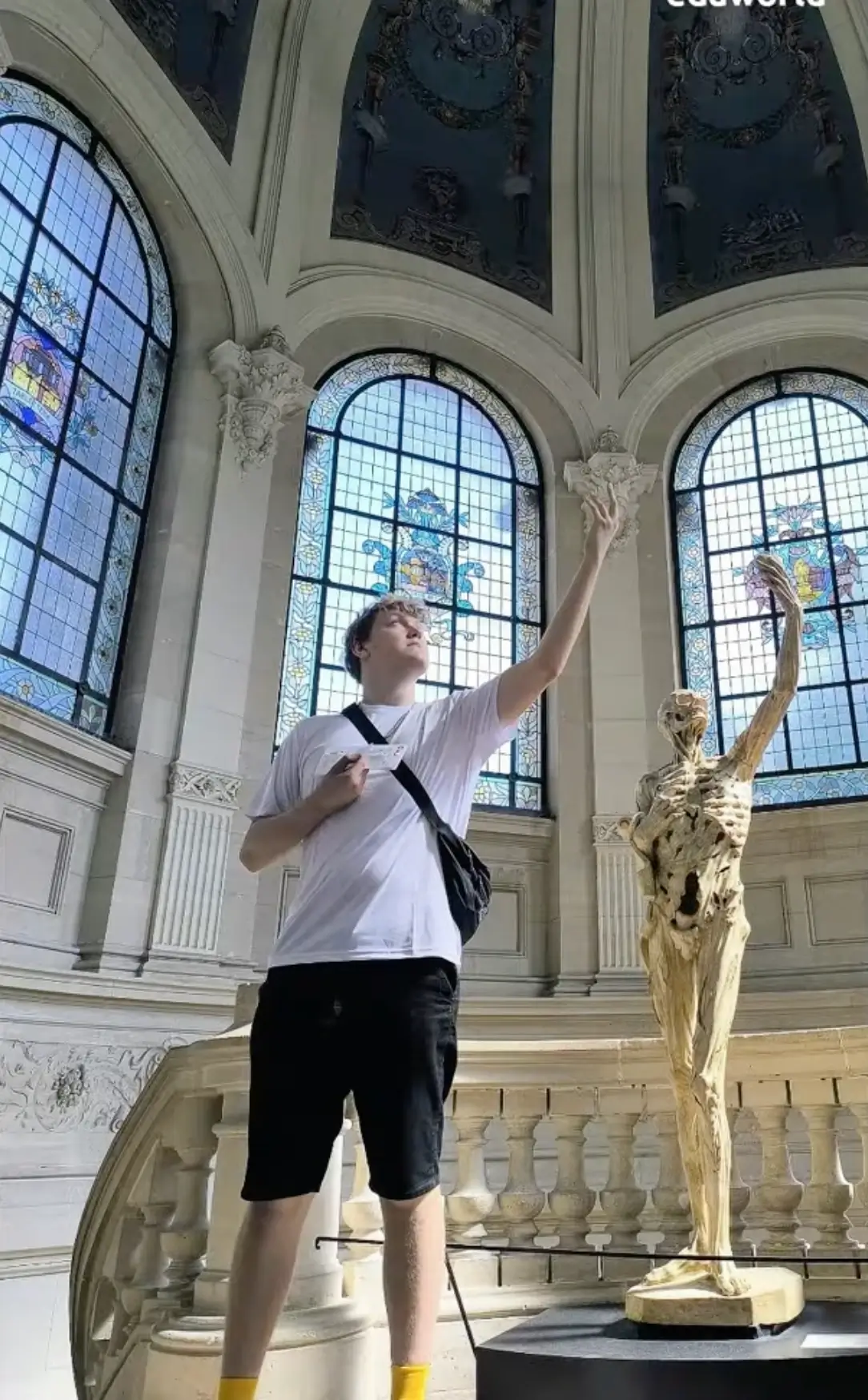
Game Development
Damian

Management
TBS
Emma

Medicine & Surgery
Sapienza University of Rome
Weronika

Maastricht University
Psychology
Anna
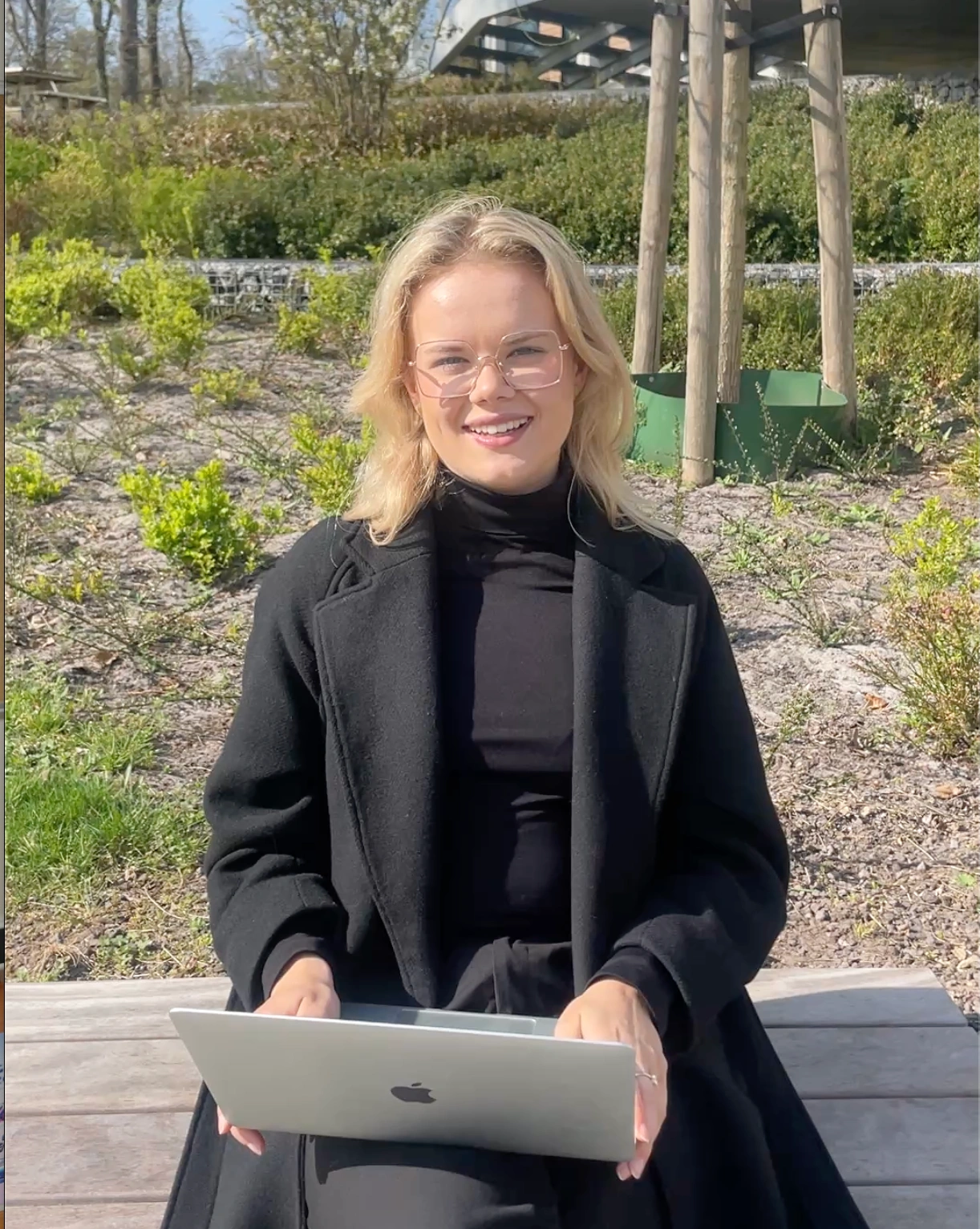
International Business Communication
Radboud University
Olga

Architecture
University of Malta
Amelia

Creative Business
NHL Stenden UAS
Kacper

Finance
Vrije University Amsterdam
Agata

Media and Culture
University of Amsterdam
Max
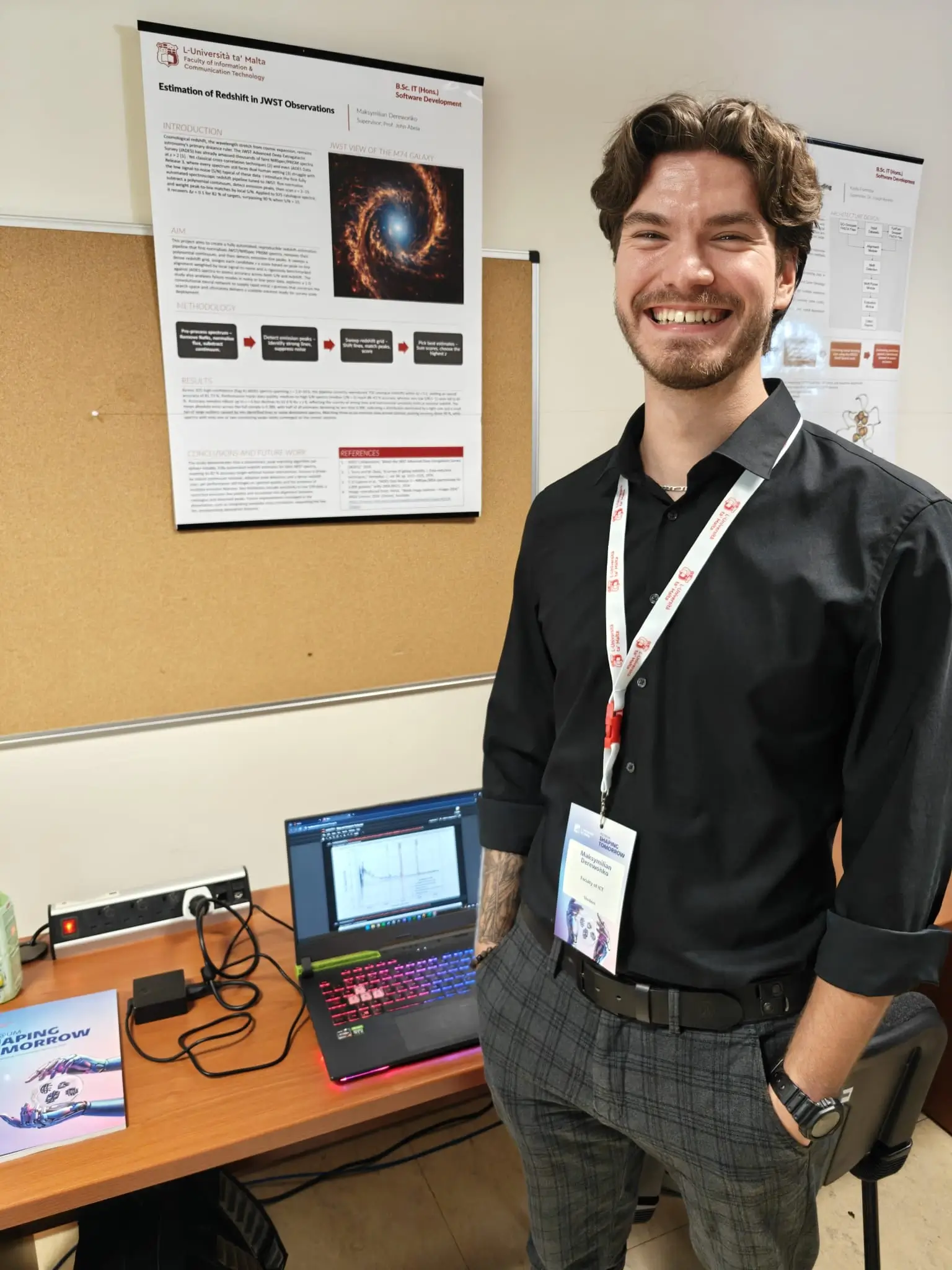
Computer Science
University of Malta
Maximilian

MBA
Universidad Europea
Hubert

IMC Krems
International Business Administration
Dominik





Find out what options you have for studying abroad
During the consultation, we will discuss the countries, universities and degree programmes best suited to your profile and explain what the application process for studying abroad looks like step by step.
Book a free consultation
Studying psychology abroad - practical information

Studying psychology in English - learning in an international environment
Studying psychology abroad allows students to gain knowledge in an international environment and explore different approaches to working with people. Many universities offer psychology programmes in English, enabling students from different countries to analyse behaviour, emotions and social processes together.
Programmes often combine theory with practice and include:
project-based classes,
research,
analysis of real cases,
teamwork,
workshops developing interpersonal skills.
Students develop the ability to interpret human behaviour in social, business and clinical contexts. Strong emphasis is also placed on communication, critical thinking and working in an international environment.
Studying psychology in English - learning in an international environment
Studying psychology abroad allows students to gain knowledge in an international environment and explore different approaches to working with people. Many universities offer psychology programmes in English, enabling students from different countries to analyse behaviour, emotions and social processes together.
Programmes often combine theory with practice and include:
project-based classes,
research,
analysis of real cases,
teamwork,
workshops developing interpersonal skills.
Students develop the ability to interpret human behaviour in social, business and clinical contexts. Strong emphasis is also placed on communication, critical thinking and working in an international environment.
Psychology specialisations and career opportunities after graduation
Studying psychology abroad offers a wide range of modern specialisations that meet the current needs of the job market. Students can develop expertise in different areas and tailor their career path to their own interests.
Popular specialisations include:
clinical psychology,
business psychology and HR,
neuropsychology,
sports psychology,
social psychology,
child and adolescent psychology,
health psychology.
In many countries, students take part not only in traditional lectures, but also in:
professional placements,
research projects,
workshops and case study analysis,
collaboration with organisations, schools and companies,
classes developing communication and analytical skills.
Psychology graduates work not only as therapists. Many also pursue careers in:
HR and recruitment departments,
marketing and consumer behaviour analysis,
sports and performance coaching,
education,
the mental health sector,
social and scientific research.
International education and practical experience gained during their studies help graduates navigate the global job market and develop careers in different countries.
Psychology specialisations and career opportunities after graduation
Studying psychology abroad offers a wide range of modern specialisations that meet the current needs of the job market. Students can develop expertise in different areas and tailor their career path to their own interests.
Popular specialisations include:
clinical psychology,
business psychology and HR,
neuropsychology,
sports psychology,
social psychology,
child and adolescent psychology,
health psychology.
In many countries, students take part not only in traditional lectures, but also in:
professional placements,
research projects,
workshops and case study analysis,
collaboration with organisations, schools and companies,
classes developing communication and analytical skills.
Psychology graduates work not only as therapists. Many also pursue careers in:
HR and recruitment departments,
marketing and consumer behaviour analysis,
sports and performance coaching,
education,
the mental health sector,
social and scientific research.
International education and practical experience gained during their studies help graduates navigate the global job market and develop careers in different countries.
What does the application process for studying psychology abroad look like?
The application process for studying psychology abroad depends on the country and level of study, but most universities require documents confirming English language proficiency, school results and a personal statement.
Depending on the university, candidates may also be asked to:
• submit a CV,
• describe their academic interests,
• provide evidence of community involvement or volunteering,
• participate in an admissions interview,
• submit language certificate results such as IELTS or TOEFL.
.
What does the application process for studying psychology abroad look like?
The application process for studying psychology abroad depends on the country and level of study, but most universities require documents confirming English language proficiency, school results and a personal statement.
Depending on the university, candidates may also be asked to:
• submit a CV,
• describe their academic interests,
• provide evidence of community involvement or volunteering,
• participate in an admissions interview,
• submit language certificate results such as IELTS or TOEFL.
.
Discover your study abroad opportunities.
 100% free, no-obligation consultation
Connecting with you on your terms
Response within 24 hours
An individual approach to each candidate
I confirm that I have read the Privacy Policy. and the GDPR information.