
What is the ARCHED exam and why is it so important?

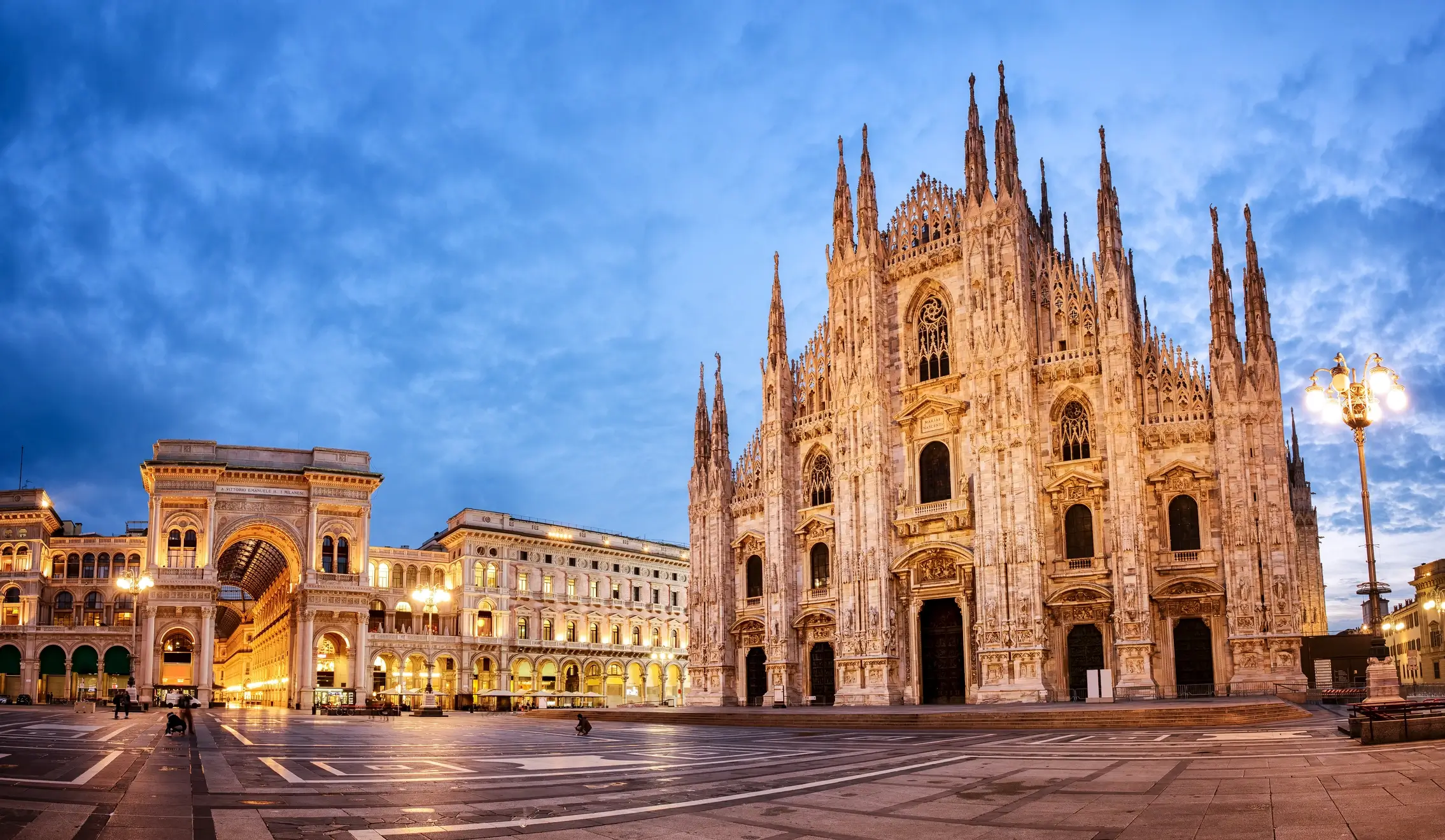
The ARCHED exam is intended for those planning to study architecture in English at Politecnico di Milano. At Politecnico di Torino, the TIL-A exam is required – it has the same syllabus and structure, so ARCHED preparation covers both tests.
0

Politecnico di Milano and Politecnico di Torino
0

The same syllabus for ARCHED and TIL-A

The ARCHED exam assesses reading comprehension, general knowledge, history and culture, logical reasoning, spatial reasoning, and the fundamentals of mathematics and physics. It is a test that combines technical, analytical, and design skills.
0

Reading, General Knowledge, Logic, Drawing, Mathematics & Physics

The exam lasts 100 minutes and consists of 50 single-choice questions divided into 5 sections. Each section includes 10 questions and lasts 20 minutes: Reading comprehension, Prior school knowledge, History and General Knowledge, Logic reasoning, Drawing and Representation, and Mathematics and Physics.
You receive +1 point for a correct answer, 0 points for no answer, and -0,25 points for an incorrect answer. The maximum score is 50 points.
The TIL-A exam covers exactly the same material and uses the same scoring system – it differs only in its format and organization, so one preparation course allows you to take both exams.



Our success rate
See what really changes after the course: your score, confidence and test-taking speed.


+10 to 15 pts.
Why prepare with EduWorld?


ARCHED experts
Preparation is led by experienced instructors specializing in IELTS, who understand the assessment criteria and scoring strategies.

Proven materials
You work on tasks modelled on official tests and learn techniques that genuinely improve your score.

Individual feedback
You receive detailed guidance on the writing, speaking and other sections, helping you quickly eliminate mistakes and make faster progress.





0
People successfully prepared for architecture entrance exams with EduWorld.

Course structure


Level assessment and goal
We assess your current level and the score you need to gain admission.


Materials included
Tasks modelled on the ARCHED and TIL-A exams.


Exam strategies
You learn proven techniques that genuinely improve your performance.


One-to-one lessons
During one-to-one lessons, you can focus on the areas that will improve your chances the most.


Course format
Online
This course is for you if...
You want to prepare well for the ARCHED exam and get into architecture school in Italy.




Start preparing for the ARCHED exam
We will contact you within 24h to provide details of the course and arrange a convenient consultation time.
We will discuss the course structure, exam preparation strategy and the admission requirements for architecture programs in Italy. We will also answer questions about universities, scoring and the application process.
Sign up for the ARCHED course
ARCHED course - practical information
ARCHED course - architecture in Italy - introduction
If you dream of studying architecture in Italy, then proper preparation for the ARCHED exam should be a key priority for you. It is this entrance exam that will determine whether you are admitted to study architecture at Politecnico di Milano and Politecnico di Torino. The ARCHED course at EduWorld is designed to prepare you for the exam at the level required to gain admission to your dream degree program. Studying architecture in Italy begins with a bachelor’s degree at prestigious institutions such as Politecnico di Torino and Politecnico di Milano. Completing this degree allows you to earn the title of architectural engineer, which is recognized by universities around the world. The programs offered by Italian universities allow every student to develop skills in architecture, design, urban planning, interior architecture, architectural history and many other fields. The architecture in Italy course – the ARCHED course is the first step for anyone who dreams of studying architecture in one of the world’s most inspiring countries. Italy is not only the cradle of art and design, but also a place where tradition meets modernity and architectural education enjoys worldwide prestige. Studying in Italy also means immersing yourself in the country’s rich culture, allowing you to gain both general and specialist knowledge and develop your creativity.
ARCHED course - architecture in Italy - introduction
If you dream of studying architecture in Italy, then proper preparation for the ARCHED exam should be a key priority for you. It is this entrance exam that will determine whether you are admitted to study architecture at Politecnico di Milano and Politecnico di Torino. The ARCHED course at EduWorld is designed to prepare you for the exam at the level required to gain admission to your dream degree program. Studying architecture in Italy begins with a bachelor’s degree at prestigious institutions such as Politecnico di Torino and Politecnico di Milano. Completing this degree allows you to earn the title of architectural engineer, which is recognized by universities around the world. The programs offered by Italian universities allow every student to develop skills in architecture, design, urban planning, interior architecture, architectural history and many other fields. The architecture in Italy course – the ARCHED course is the first step for anyone who dreams of studying architecture in one of the world’s most inspiring countries. Italy is not only the cradle of art and design, but also a place where tradition meets modernity and architectural education enjoys worldwide prestige. Studying in Italy also means immersing yourself in the country’s rich culture, allowing you to gain both general and specialist knowledge and develop your creativity.

Studying architecture in English in Italy
If you dream of studying architecture, Italy will naturally be one of the destinations you consider. Don’t speak Italian? Don’t worry! Two universities offer bachelor’s degree programs in architecture taught entirely in English – Politecnico di Torino and Politecnico di Milano (if you are interested in a master’s degree, you will need to take exams other than ARCHED – find out more here: studying architecture in Italy). This educational path will open the door to an international career in architecture not only across Europe, but around the world! You will earn an internationally recognized degree that opens the door to career opportunities worldwide, all without needing to know Italian at the start of your studies. You can look forward to several extraordinary years in one of Europe’s most beautiful countries – filled with inspiration, new friendships and a culture that motivates you to create every day. And should you choose to, you will easily learn Italian during your studies, adding another valuable skill to your professional profile. Imagine design classes in the historic center of Milan, urban planning workshops in Turin and lectures delivered by practicing architects who design modern urban spaces every day. The campus – whether you choose PoliMi or PoliTo is also sure to meet your expectations. During your studies, you can walk the same streets where Leonardo da Vinci and Bramante developed their ideas, while also using modern laboratories equipped with 3D modelling technology. Between lectures, you can visit current architecture exhibitions at Fondazione Prada or explore the latest projects by contemporary Italian designers in the Porta Nuova district. This combination of daily contact with history, art and modern technology makes studying architecture in Italy a unique experience that is difficult to compare with anywhere else in Europe.
How long does it take to study architecture in Italy?
A bachelor’s degree takes 3 years. This is followed by a master’s degree in architecture, which takes 2 years. Completing a bachelor’s and master’s degree allows you to earn the professional title of architect-engineer and continue developing your expertise in a wide range of specializations e.g. historic preservation, interior architecture, urban planning, etc. If you decide to continue your education in Italy, in addition to Politecnico di Milano and Politecnico di Torino, you will be able to choose from many other universities e.g. in Venice, Sapienza University of Rome, University of Bologna, University of Padua and many others.
ARCHED vs TIL-A entrance exam – Politecnico di Torino
We would also like to clarify one point – ARCHED is the entrance exam for Politecnico di Milano, whilePolitecnico di Torino requires the TIL-A exam. Both tests cover exactly the same material, but are held on two different dates. Since the ARCHED and TIL-A syllabuses fully overlap, for simplicity we refer to ARCHED throughout the text.
Studying architecture in English in Italy
If you dream of studying architecture, Italy will naturally be one of the destinations you consider. Don’t speak Italian? Don’t worry! Two universities offer bachelor’s degree programs in architecture taught entirely in English – Politecnico di Torino and Politecnico di Milano (if you are interested in a master’s degree, you will need to take exams other than ARCHED – find out more here: studying architecture in Italy). This educational path will open the door to an international career in architecture not only across Europe, but around the world! You will earn an internationally recognized degree that opens the door to career opportunities worldwide, all without needing to know Italian at the start of your studies. You can look forward to several extraordinary years in one of Europe’s most beautiful countries – filled with inspiration, new friendships and a culture that motivates you to create every day. And should you choose to, you will easily learn Italian during your studies, adding another valuable skill to your professional profile. Imagine design classes in the historic center of Milan, urban planning workshops in Turin and lectures delivered by practicing architects who design modern urban spaces every day. The campus – whether you choose PoliMi or PoliTo is also sure to meet your expectations. During your studies, you can walk the same streets where Leonardo da Vinci and Bramante developed their ideas, while also using modern laboratories equipped with 3D modelling technology. Between lectures, you can visit current architecture exhibitions at Fondazione Prada or explore the latest projects by contemporary Italian designers in the Porta Nuova district. This combination of daily contact with history, art and modern technology makes studying architecture in Italy a unique experience that is difficult to compare with anywhere else in Europe.
How long does it take to study architecture in Italy?
A bachelor’s degree takes 3 years. This is followed by a master’s degree in architecture, which takes 2 years. Completing a bachelor’s and master’s degree allows you to earn the professional title of architect-engineer and continue developing your expertise in a wide range of specializations e.g. historic preservation, interior architecture, urban planning, etc. If you decide to continue your education in Italy, in addition to Politecnico di Milano and Politecnico di Torino, you will be able to choose from many other universities e.g. in Venice, Sapienza University of Rome, University of Bologna, University of Padua and many others.
ARCHED vs TIL-A entrance exam – Politecnico di Torino
We would also like to clarify one point – ARCHED is the entrance exam for Politecnico di Milano, whilePolitecnico di Torino requires the TIL-A exam. Both tests cover exactly the same material, but are held on two different dates. Since the ARCHED and TIL-A syllabuses fully overlap, for simplicity we refer to ARCHED throughout the text.
ARCHED and TIL-A exam syllabus
The exam is designed to assess logical thinking skills, text analysis abilities, general knowledge, and basic knowledge of mathematics, physics, and drawing.
The requirements correspond to the level of knowledge expected of secondary school graduates preparing for the school-leaving examination (Matura).
Reading comprehension
Assesses the ability to analyse texts on a variety of topics, including both academic and journalistic texts. Candidates must understand the meaning, context and structure of a text and be able to interpret the meaning of individual passages.
General knowledge and logical reasoning
Includes questions requiring logical thinking and reasoning based on given premises. These may include both symbolic and verbal tasks based on the analysis of cases or problem situations.
Prior school knowledge (history, art, culture)
Covers knowledge of world history and art history, as well as the ability to identify periods and events of cultural significance. Candidates should be familiar with basic concepts relating to law, economics and civil society.
Drawing and Representation
Assesses the ability to analyse technical drawings, plans, elevations and projections. Questions focus on interpreting graphical representations of objects and understanding concepts related to perspective, geometry and proportion.
Mathematics and Physics
Covers topics in mathematics (number sets, operations involving powers and logarithms, equations, plane and solid geometry, basic trigonometry) and physics (mechanics, Newton’s laws of motion, basic thermodynamics and electricity).
ARCHED and TIL-A exam syllabus
The exam is designed to assess logical thinking skills, text analysis abilities, general knowledge, and basic knowledge of mathematics, physics, and drawing.
The requirements correspond to the level of knowledge expected of secondary school graduates preparing for the school-leaving examination (Matura).
Reading comprehension
Assesses the ability to analyse texts on a variety of topics, including both academic and journalistic texts. Candidates must understand the meaning, context and structure of a text and be able to interpret the meaning of individual passages.
General knowledge and logical reasoning
Includes questions requiring logical thinking and reasoning based on given premises. These may include both symbolic and verbal tasks based on the analysis of cases or problem situations.
Prior school knowledge (history, art, culture)
Covers knowledge of world history and art history, as well as the ability to identify periods and events of cultural significance. Candidates should be familiar with basic concepts relating to law, economics and civil society.
Drawing and Representation
Assesses the ability to analyse technical drawings, plans, elevations and projections. Questions focus on interpreting graphical representations of objects and understanding concepts related to perspective, geometry and proportion.
Mathematics and Physics
Covers topics in mathematics (number sets, operations involving powers and logarithms, equations, plane and solid geometry, basic trigonometry) and physics (mechanics, Newton’s laws of motion, basic thermodynamics and electricity).
How to prepare for ARCHED?
Effective preparation for the ARCHED exam focuses on three areas: knowledge, strategy and language.
Knowledge-based preparation for ARCHED
Many of the topics covered by the ARCHED exam go beyond the standard secondary school curriculum.
Tasks involving geometry, projections, proportions and spatial representation may be new to many students, which is why regular practice is essential.
An important part of the test consists of history and art questions – particularly those related to classical and modern architecture. Knowledge of styles, periods, distinctive buildings and their designers can give you a significant advantage.
Do not overlook the logical reasoning and reading comprehension section either – developing logical thinking and text analysis skills is often underestimated, even though these questions can determine your final score.
Smart preparation means becoming familiar with typical question structures and recurring patterns. This way, you do not waste time studying random topics, but focus on what actually appears in the exam.
Strategic preparation for ARCHED
The ARCHED exam lasts 100 minutes and includes 50 questions, which means that you have an average of just 2 minutes per question.
Without the right strategy, it is difficult to maintain your pace and avoid simple mistakes caused by time pressure.
Practising with full mock tests is essential, as they teach you how to manage your energy, when to move on and how to return effectively to more difficult questions.
Strategic preparation also includes learning to recognize the types of questions that appear every year.
Preparing for ARCHED in terms of the English language
The ARCHED exam is conducted entirely in English, so a good command of the language is essential.
The questions, especially in the reading comprehension and general knowledge sections, require an understanding not only of technical vocabulary, but also of complex sentence structures and context. Understanding the instructions and answer options is important in every section.
How to prepare for ARCHED?
Effective preparation for the ARCHED exam focuses on three areas: knowledge, strategy and language.
Knowledge-based preparation for ARCHED
Many of the topics covered by the ARCHED exam go beyond the standard secondary school curriculum.
Tasks involving geometry, projections, proportions and spatial representation may be new to many students, which is why regular practice is essential.
An important part of the test consists of history and art questions – particularly those related to classical and modern architecture. Knowledge of styles, periods, distinctive buildings and their designers can give you a significant advantage.
Do not overlook the logical reasoning and reading comprehension section either – developing logical thinking and text analysis skills is often underestimated, even though these questions can determine your final score.
Smart preparation means becoming familiar with typical question structures and recurring patterns. This way, you do not waste time studying random topics, but focus on what actually appears in the exam.
Strategic preparation for ARCHED
The ARCHED exam lasts 100 minutes and includes 50 questions, which means that you have an average of just 2 minutes per question.
Without the right strategy, it is difficult to maintain your pace and avoid simple mistakes caused by time pressure.
Practising with full mock tests is essential, as they teach you how to manage your energy, when to move on and how to return effectively to more difficult questions.
Strategic preparation also includes learning to recognize the types of questions that appear every year.
Preparing for ARCHED in terms of the English language
The ARCHED exam is conducted entirely in English, so a good command of the language is essential.
The questions, especially in the reading comprehension and general knowledge sections, require an understanding not only of technical vocabulary, but also of complex sentence structures and context. Understanding the instructions and answer options is important in every section.
Discover your study abroad opportunities.
 100% free, no-obligation consultation
Connecting with you on your terms
Response within 24 hours
An individual approach to each candidate
By clicking the button, you consent to being contacted by phone, email, or WhatsApp to discuss study options in another country. Eduworld is the data controller. We process your data to process this inquiry. You have the right to access, correct, and request deletion of your data. Full information on how we ensure your security can be found on our website Privacy Policy.